
What are the challenges Tamil people faced in Sri Lanka?
The Tamil people in Sri Lanka have faced a myriad of challenges, particularly related to ethnic discrimination, political marginalisation, and socio-economic hardships. Here’s a detailed overview of the key challenges:
### 1. **Ethnic Discrimination**
– **Language Policies:** The Sinhala Only Act of 1956 established Sinhala as the sole official language, marginalising Tamil speakers and limiting their access to government services and employment opportunities.
– **Cultural Suppression:** Tamils have often encountered hostility regarding their cultural practices, language, and identity, leading to feelings of alienation and oppression.
### 2. **Political Marginalisation**
– **Lack of Representation:** Tamils have historically faced underrepresentation in government and political institutions, limiting their ability to advocate for rights and interests.
– **Ethnic Conflict:** The power dynamics between the Sinhalese majority and Tamil minority have led to significant political tensions, contributing to a sense of disenfranchisement among Tamils.
### 3. **Socio-Economic Challenges**
– **Poverty and Employment:** Many Tamils, particularly in the Northern and Eastern provinces, have faced high levels of poverty and limited job opportunities due to the impact of conflict and discrimination.
– **Access to Education:** Disparities in educational resources and opportunities have further perpetuated socio-economic inequalities, hindering upward mobility for Tamil youth.
### 4. **Impact of the Civil War**
– **Widespread Violence:** The Sri Lankan Civil War (1983-2009) resulted in significant loss of life, displacement, and trauma among the Tamil population, with many facing violence and persecution.
– **Displacement:** The conflict led to the internal displacement of hundreds of thousands of Tamils, with families losing their homes and livelihoods, often living in refugee camps or temporary shelters.
### 5. **Human Rights Violations**
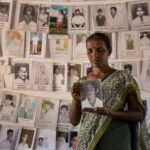
– **Extrajudicial Killings and Torture:** Reports of human rights abuses, including killings, disappearances, and torture of Tamils, have been prevalent, particularly during the civil war and its aftermath.
– **Restrictions on Freedoms:** Many Tamils have experienced restrictions on their rights to free expression, assembly, and movement, particularly in areas with a heavy military presence.
### 6. **Post-War Challenges**
– **Rehabilitation and Resettlement:** Following the civil war, many Tamils faced challenges in resettling, including bureaucratic obstacles, lack of infrastructure, and insufficient support for rebuilding lives.
– **Continued Surveillance:** In some areas, the military presence remains significant, leading to fears among Tamils regarding surveillance and threats to their safety.
### 7. **Psychological Impact**
– **Trauma and Mental Health Issues:** The prolonged exposure to violence, loss, and displacement has resulted in significant psychological trauma, affecting the mental health of many Tamils.
– **Community Fragmentation:** The war and subsequent challenges have led to fragmentation within Tamil communities, complicating efforts to rebuild social cohesion.
### 8. **Economic Disparities**
– **Limited Access to Resources:** Tamils in conflict-affected areas often have limited access to basic resources, including healthcare, education, and infrastructure development.
– **Economic Marginalisation:** Economic policies have often favoured the Sinhalese majority, leading to further marginalisation of Tamil communities in terms of development and investment.
### Conclusion
The Tamil people in Sri Lanka have faced a complex array of challenges rooted in ethnic discrimination, political marginalisation, socio-economic disparities, and the impacts of war. These issues continue to affect their quest for equality, justice, and a stable future.