
How does media framing influence the public’s understanding of conflicts?
Media framing significantly influences the public’s understanding of conflicts by shaping how information is presented and interpreted. Here’s a detailed look at the mechanisms through which media framing affects public perception:
### 1. **Defining the Conflict**
– **Setting the Agenda:** The media decides which aspects of a conflict to highlight, effectively setting the agenda for public discourse. For example, focusing on military actions can frame the conflict as a security issue rather than a humanitarian crisis.
– **Framing Terms:** The choice of words and phrases—such as “terrorist” versus “freedom fighter”—can profoundly affect how audiences interpret the motives and actions of the involved parties.
### 2. **Identifying Key Players**
– **Heroes and Villains:** Media framing often characterises certain groups or individuals as heroes or villains, influencing public sympathies. This binary portrayal simplifies complex realities and can polarise public opinion.
– **Omission of Voices:** By amplifying certain narratives while sidelining others, media can contribute to the marginalisation of specific groups, skewing public perception of who is affected by the conflict.
### 3. **Emphasising Specific Narratives**
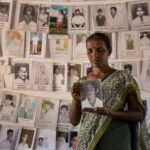
– **Humanising Victims:** Human interest stories can evoke empathy and emotional responses from the audience, prompting public support for humanitarian efforts. Conversely, dehumanising narratives can lead to apathy.
– **Highlighting Causes and Consequences:** Framing can emphasise either the root causes of a conflict (such as historical grievances) or its immediate consequences (like violence and displacement), shaping public understanding of the underlying issues.
### 4. **Influencing Public Opinion**
– **Shaping Attitudes:** The way conflicts are framed can influence public attitudes toward government actions, military interventions, or humanitarian responses. For example, a narrative focusing on national security can garner support for military action.
– **Creating Fear or Solidarity:** Media framing can evoke fear, encouraging calls for security measures, or foster solidarity, leading to increased public support for affected populations.
### 5. **Impacting Policy and Action**
– **Driving Government Responses:** Media framing can pressure governments to act based on public sentiment influenced by specific narratives, whether through military intervention or humanitarian aid.
– **Shaping International Reactions:** Global media narratives can affect how international communities perceive a conflict, influencing diplomatic relations, interventions, or sanctions.
### 6. **Reinforcing Stereotypes and Biases**
– **Cementing Prejudices:** Media framing can reinforce existing stereotypes about ethnic, religious, or national groups, leading to generalised misconceptions that persist long after the conflict ends.
– **Polarisation:** Simplistic or biased portrayals can deepen societal divisions, making it harder for communities to engage in constructive dialogue and reconciliation.
### 7. **Long-Lasting Impacts**
– **Enduring Narratives:** The frames established during a conflict can become entrenched in public consciousness, affecting how future generations understand and interpret the conflict.
– **Cultural Narratives:** Media framing shapes cultural narratives around conflict, influencing social cohesion and identity long after the violence has ceased.
### 8. **Encouraging Critical Engagement**
– **Promoting Awareness:** Diverse and accurate media framing can encourage audiences to critically engage with information, question dominant narratives, and seek deeper understanding of the complexities involved in conflicts.
– **Fostering Dialogue:** Balanced representation can facilitate dialogue and promote mutual understanding, essential for reconciliation and peace-building efforts.
In summary, media framing plays a crucial role in shaping public understanding of conflicts by influencing how they are perceived, interpreted, and acted upon. Efforts to promote balanced and nuanced media coverage are essential for fostering informed public discourse and effective conflict resolution.