
How did the suppression of free speech affect the public’s understanding of the Sri Lankan civil war?
The suppression of free speech during the Sri Lankan Civil War significantly affected the public’s understanding of the conflict in several interconnected ways. Here’s a closer look at these impacts:
### 1. **Distorted Narratives**
– **Government-Centric Perspectives:** The media primarily presented government-approved narratives, portraying military actions as necessary for national security while downplaying or denying human rights violations. This led to a skewed understanding of the conflict’s complexities.
– **Demonisation of the Tamil Community:** The portrayal of the Tamil population and the LTTE as solely culpable entities shaped public perception, leading to widespread misconceptions and stigmatisation.
### 2. **Lack of Awareness of Human Rights Violations**
– **Underreported Atrocities:** Many human rights abuses, including killings, torture, and disappearances, went unreported. This lack of information created a significant gap in public knowledge about the severity of the conflict and its humanitarian impact.
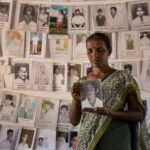
– **Absence of Victim Voices:** The suppression meant that victims of violence and their families had limited platforms to share their experiences, further obscuring the true human cost of the war.
### 3. **Self-Censorship and Fear**
– **Journalists’ Hesitance:** Journalists’ fears of reprisal led to self-censorship, resulting in a lack of critical reporting. This lack of robust investigative journalism prevented the public from gaining a comprehensive understanding of the war’s realities.
– **Conformity to State Views:** Media professionals often aligned their reporting with government narratives to ensure their safety, leading to a homogenised information environment.
### 4. **Misinformation and Propaganda**
– **Limited Access to Diverse Information:** With state-controlled media dominating the landscape, the public had little access to alternative viewpoints or independent analyses, resulting in a narrow understanding of the conflict.
– **Manipulation of Public Sentiment:** The government used propaganda to frame the military’s actions positively, which influenced public sentiment and justified military operations in the eyes of many citizens.
### 5. **Erosion of Trust in Media**
– **Perception of Bias:** As state media became synonymous with propaganda, public trust in journalistic integrity eroded. This skepticism led to confusion and a reliance on unverified sources, complicating the information landscape.
– **Fragmentation of Information Sources:** With the rise of social media and alternative platforms, misinformation and conspiracy theories proliferated, further muddying the public’s understanding of the conflict.
### 6. **Long-Term Societal Impact**
– **Cultural Division:** The narratives promoted through suppressed media often deepened ethnic divisions, as communities received polarised information that reinforced existing biases and animosities.
– **Challenges for Reconciliation:** The lack of a shared understanding of the conflict’s history continues to hinder reconciliation efforts, as many individuals still cling to the narratives they were exposed to.
### 7. **Impaired Civil Discourse**
– **Limited Public Debate:** The suppression of free speech restricted open dialogue about the war, preventing critical discussions that could lead to healing, accountability, and future peace-building efforts.
– **Stifled Activism:** Civil society organisations that aimed to raise awareness about human rights violations faced significant challenges, limiting their ability to engage the public in meaningful discussions.
The suppression of free speech has left a legacy of misunderstanding and division in Sri Lankan society, complicating efforts for reconciliation and justice.