
How can perceived discrimination influence community solidarity and political conflict?
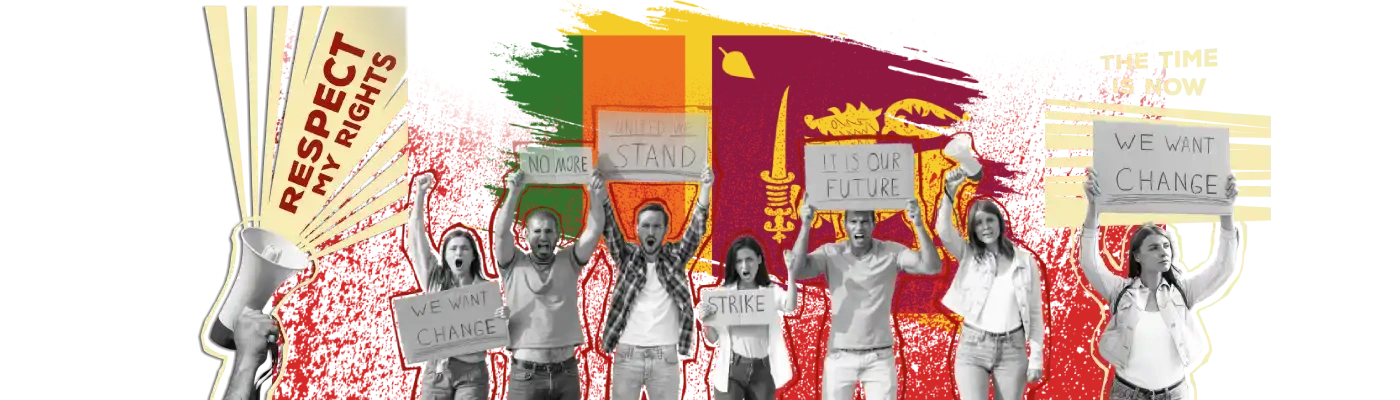
Perceived discrimination can strengthen **community solidarity** by creating a shared sense of injustice. People may unite around common ethnic, linguistic, religious, or regional identities, support advocacy organisations, and demand equal rights, representation, and resources.
At the same time, it can intensify **political conflict** by:
– reducing trust in government institutions;
– encouraging ethnic or regional political mobilisation;
– increasing support for protests, autonomy, or separatist demands;
– reinforcing stereotypes and hostility between communities;
– making compromise appear like surrender;
– contributing to radicalisation when peaceful appeals seem ineffective.
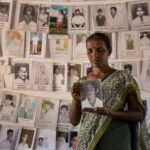
In Sri Lanka, disputes over language policy, public-sector employment, education, land, and political representation contributed to Tamil mobilisation and later conflict. Perceptions of discrimination may reflect actual unequal treatment, misinformation, or both; transparent institutions and equal access to services can help reduce tensions.