
How does perceived discrimination contribute to community solidarity and political conflict?
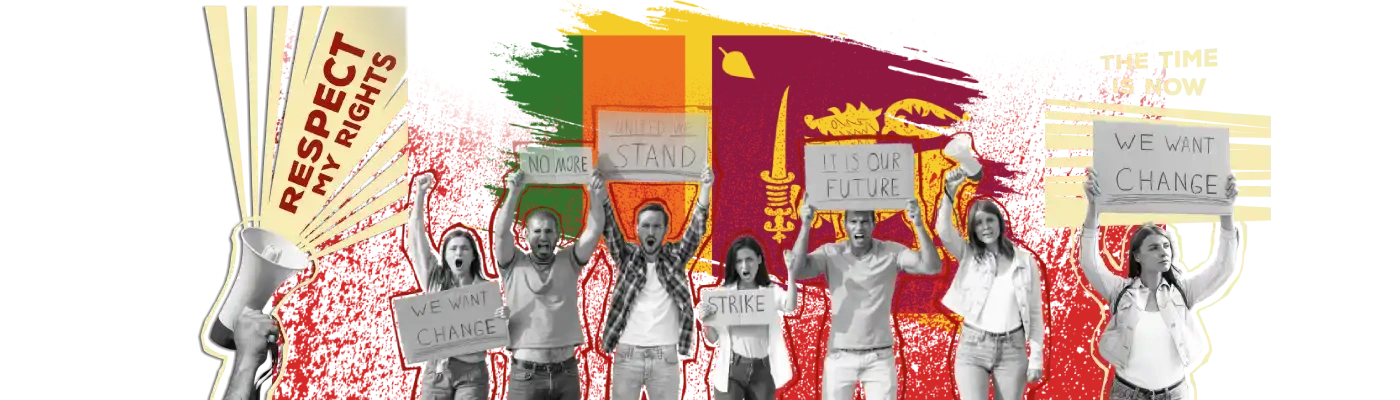
Perceived discrimination creates a **shared sense of injustice**, encouraging people to unite around common ethnic, linguistic, religious, or regional identities. Community leaders and organisations can transform these grievances into political campaigns demanding equal rights, resources, representation, or autonomy.
It can also intensify political conflict by:
– weakening trust in state institutions;
– increasing support for protests and opposition movements;
– reinforcing divisions between communities;
– making compromise seem like a threat to group interests;
– encouraging radicalisation when peaceful action appears ineffective.
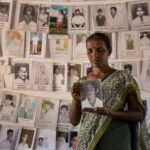
In Sri Lanka, grievances over language policy, education, employment, land, and political representation strengthened Tamil political mobilisation and contributed to prolonged ethnic conflict. Perceived discrimination therefore becomes especially dangerous when genuine inequalities, political exclusion, inflammatory leadership, and state repression occur together.