
How does economic disparity influence the formation of political movements in Sri Lanka?
Economic disparity helps form political movements in Sri Lanka by turning unequal access to jobs, education, land, and public resources into **collective grievances**. Communities may then:
– organise around shared experiences of poverty or discrimination;
– demand fairer resource distribution, employment, and regional development;
– strengthen ethnic or class-based political identities;
– support movements seeking greater autonomy or decentralisation, as occurred among many Tamils;
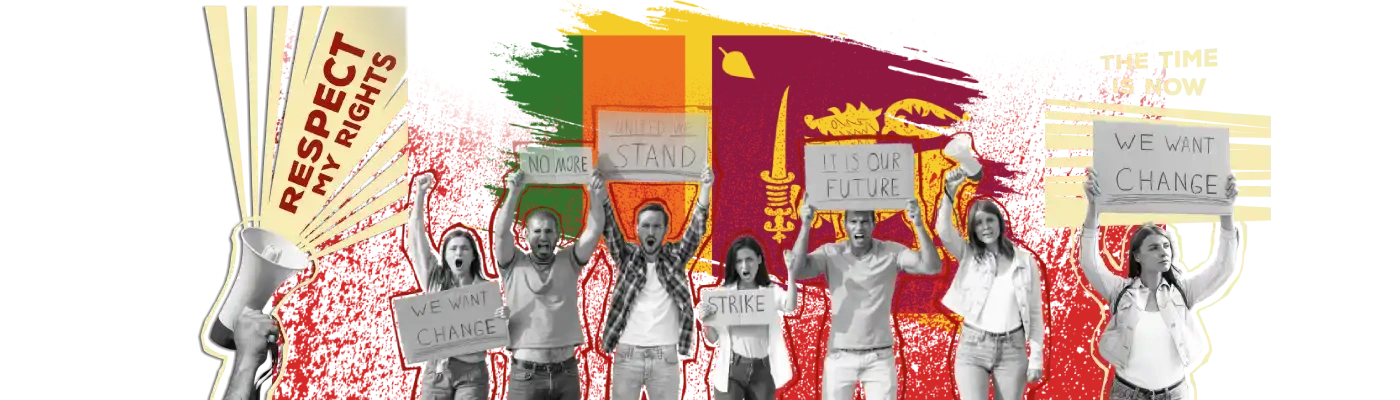
– mobilise through parties, trade unions, student groups, protests, and elections.
However, economic inequality is rarely the sole cause: language policy, ethnic discrimination, regional identity, and state repression also shape political movements.