
How did the Sri Lankan Civil War impact the migration patterns of Tamils in search of asylum?
The Sri Lankan Civil War (1983-2009) significantly impacted the migration patterns of Tamils seeking asylum, leading to profound changes in demographics and community dynamics. Here’s a detailed examination of these impacts:
### 1. **Escalation of Violence and Persecution**
– **Ethnic Conflict:** The war was characterised by intense violence between the Sri Lankan government and the Liberation Tigers of Tamil Eelam (LTTE), resulting in widespread human rights abuses against Tamils.
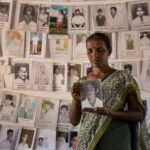
– **Targeted Attacks:** Many Tamils faced direct threats, including forced disappearances, killings, and systematic discrimination, prompting them to flee for their safety.
### 2. **Mass Displacement**
– **Refugee Exodus:** The conflict caused a significant number of Tamils to seek refuge outside Sri Lanka. By the late 1980s and early 1990s, thousands had fled to countries like Canada, Australia, the UK, and India.
– **Internal Displacement:** Many Tamils were also displaced within Sri Lanka, with camps housing those who had lost their homes due to conflict, further emphasising the desperation to escape.
### 3. **Asylum-Seeking Trends**
– **Increased Asylum Applications:** The war led to a drastic increase in asylum applications from Tamils, particularly during key conflict periods such as the late 1980s and the final stages of the war between 2006-2009.
– **Humanitarian Crises:** The dire humanitarian situation led international organisations to recognise the plight of Tamils, making it easier for them to seek asylum in various countries.
### 4. **Chain Migration Dynamics**
– **Established Networks:** As Tamils settled in host countries, they created robust diaspora networks that facilitated further migration. New migrants often relied on family and community connections for support, leading to chain migration patterns.
– **Financial Support:** Established diaspora communities provided financial aid and assistance to new migrants, helping them navigate the asylum process and settle in their new environments.
### 5. **Geographical Concentration**
– **Settlement Patterns:** Significant Tamil communities emerged in cities like Toronto, London, Melbourne, and Paris during and after the war. These areas became focal points for new arrivals seeking refuge.
– **Cultural Preservation:** Concentration in specific locales allowed Tamils to maintain cultural ties, organise community events, and create support networks.
### 6. **Changes in Migration Policies**
– **Evolving Asylum Policies:** The international community’s response to the war influenced asylum policies in various countries. Many countries opened their doors to Tamil refugees, while others became more restrictive over time, impacting how and where Tamils could seek asylum.
– **Human Rights Advocacy:** The war brought attention to human rights violations, leading to advocacy efforts that influenced policy changes in host countries regarding the treatment of Tamil asylum seekers.
### 7. **Psychological Impact**
– **Trauma and Anxiety:** The experiences of violence and displacement left many Tamils traumatised. This psychological burden influenced their migration decisions, often pushing them to seek safer environments.
– **Community Support:** The diaspora community provided psychological support and a sense of belonging for new migrants, helping them cope with their experiences.
### 8. **Post-War Migration Trends**
– **Continued Asylum Seeking:** Even after the war officially ended in 2009, many Tamils continued to seek asylum due to ongoing issues, such as government repression, lack of rights, and fears of persecution.
– **Humanitarian Programs:** Various humanitarian initiatives were implemented to assist Tamils in rebuilding their lives and facilitate their integration into new societies.
### Conclusion
The Sri Lankan Civil War profoundly influenced the migration patterns of Tamils in search of asylum, leading to mass displacement and the establishment of vibrant diaspora communities worldwide. The impacts of the conflict continue to resonate, shaping the lives of Tamils and their ongoing quest for safety, identity, and belonging.