
What role does media representation play in shaping societal perceptions during conflicts?
Media representation plays a crucial role in shaping societal perceptions during conflicts, influencing public attitudes, behaviours, and responses in several significant ways:
### 1. **Framing the Narrative**
– **Defining the Conflict:** Media often shapes how a conflict is understood by framing it in specific terms, such as portraying it as a struggle for freedom, a fight against terrorism, or a civil war. These frames can dictate public perception and influence the narrative.
– **Identifying Heroes and Villains:** By emphasising certain groups or individuals as heroes or villains, media representation can create a binary view of the conflict, simplifying complex realities and fostering polarisation.
### 2. **Shaping Public Opinion**
– **Influencing Attitudes:** The way media reports on conflicts can significantly influence public opinion, swaying support for or against military action, humanitarian interventions, or government policies.
– **Creating Fear or Solidarity:** Media portrayal can evoke fear, prompting calls for security measures, or it can foster solidarity and empathy, encouraging support for affected populations.
### 3. **Amplifying Voices**
– **Highlighting or Marginalising Perspectives:** Media can amplify the voices of certain groups while marginalising others. This can lead to a skewed understanding of the conflict, where some narratives dominate and others are silenced.
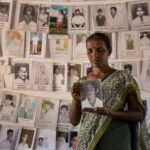
– **Victim Representation:** How victims are portrayed can influence public empathy. Humanising stories can mobilise support for humanitarian efforts, while dehumanising portrayals can lead to apathy or hostility.
### 4. **Impacting Policy and Action**
– **Shaping Government Responses:** Media coverage can pressure governments to act, whether through military intervention, humanitarian aid, or policy changes. Public reactions to media narratives can drive political decisions.
– **Influencing International Responses:** Global media representation can impact how international communities perceive a conflict, affecting diplomatic relations, sanctions, or intervention strategies.
### 5. **Creating Stereotypes and Misconceptions**
– **Reinforcing Biases:** Media representation can reinforce existing stereotypes about ethnic, religious, or national groups, leading to generalised misconceptions that persist long after the conflict ends.
– **Polarisation and Division:** Simplistic or biased portrayals can deepen societal divisions, leading to increased hostility between communities and complicating reconciliation efforts.
### 6. **Affecting Mental Health and Trauma**
– **Media Consumption and Trauma:** Continuous exposure to conflict-related media can lead to vicarious trauma and increased anxiety among the public, impacting mental health on a societal level.
– **Stigmatisation of Affected Groups:** Misrepresentation of groups involved in the conflict can lead to stigmatisation, affecting their reintegration and healing processes post-conflict.
### 7. **Educational Implications**
– **Shaping Historical Narratives:** Media representations can influence how future generations understand conflicts, impacting educational curricula and collective memory.
– **Promoting Critical Thinking:** Diverse and accurate media representations can encourage critical thinking about conflicts, helping audiences to question narratives and seek deeper understanding.
### 8. **Long-Term Societal Impacts**
– **Enduring Divisions:** The legacies of media representation during conflicts can persist, influencing inter-group relations and complicating post-conflict reconciliation efforts.
– **Cultural Narratives:** Media shapes cultural narratives around conflict, which can affect social cohesion and identity long after the conflict has concluded.
Media representation is thus a powerful tool that shapes societal perceptions during conflicts, influencing everything from individual attitudes to broader political actions. Efforts to promote fair and balanced media coverage are essential for fostering understanding and reconciliation in conflict-affected societies.