
How did the suppression of free speech impact the reporting of human rights violations in Sri Lanka?
The suppression of free speech in Sri Lanka had profound implications for the reporting of human rights violations during the civil war and beyond. Here’s a detailed look at the impacts:
### 1. **Limited Coverage of Violations**
– **Underreporting:** Many human rights abuses went unreported due to fear of reprisals against journalists and media outlets. This created significant gaps in the public record of atrocities committed during the war.
– **Focus on Official Narratives:** The media largely reflected government-approved narratives, which downplayed or denied human rights violations, skewing public understanding of the conflict.
### 2. **Self-Censorship Among Journalists**
– **Fear of Retaliation:** Journalists often refrained from covering sensitive topics, including military actions and abuses, to avoid harassment, detention, or violence.
– **Conformity to State Interests:** Many media professionals chose to align their reporting with government perspectives to ensure their safety and job security, leading to a lack of critical analysis and diverse viewpoints.
### 3. **Misinformation and Propaganda**
– **State-Controlled Messaging:** The government utilised state media to disseminate propaganda, portraying military operations in a positive light while demonising the Tamil population and the LTTE. This distorted public perception of the war.
– **Censorship of Dissenting Voices:** Critical reporting was quashed, resulting in a lack of balanced discourse that could inform citizens about the realities of human rights violations.
### 4. **Increased Vulnerability of Victims**
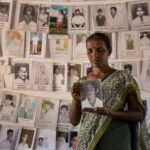
– **Lack of Advocacy:** The suppression of reporting meant that victims of human rights abuses had limited platforms to share their experiences, hindering efforts for accountability and justice.
– **Stigmatisation:** Victims who did speak out often faced social stigma and further victimisation, discouraging others from coming forward.
### 5. **Obstruction of International Advocacy**
– **Limited Awareness:** The global community had restricted access to credible information about the extent of human rights violations, hampering international advocacy and intervention efforts.
– **Ineffective Pressure for Accountability:** Without robust documentation and reporting, calls for accountability from international organisations and human rights groups were weakened.
### 6. **Long-Term Cultural Impact**
– **Erosion of Trust in Media:** The public’s trust in media diminished, as state-controlled narratives were seen as unreliable. This led to a reliance on unverified sources, complicating the information landscape.
– **Cultural Division:** Media censorship contributed to deepening ethnic divides, as communities received polarised information that reinforced existing biases and animosities.
### 7. **Chilling Effect on Future Reporting**
– **Continued Fear:** The legacy of suppression has created a culture of fear among journalists, limiting investigative journalism even after the civil war. Many media professionals remain cautious about addressing sensitive topics.
– **Weak Civil Society:** A suppressed media environment stifles civil society’s ability to push for reforms and hold authorities accountable, perpetuating cycles of abuse.
The suppression of free speech has stunted the growth of a vibrant and critical media landscape in Sri Lanka, significantly hindering the effort to document and address human rights violations.