
What were the long-term impacts of Black July on Tamil identity in Sri Lanka?
The long-term impacts of Black July (1983) on Tamil identity in Sri Lanka are profound and multifaceted, shaping both individual and collective experiences within the community. Here’s a detailed examination of these impacts:
### 1. **Solidification of Collective Identity**
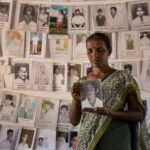
– **Shared Trauma:** Black July became a defining moment for Tamils, creating a collective sense of trauma. The violence and loss experienced fostered a stronger communal identity as Tamils began to see themselves not just as individuals but as part of a larger group facing systemic discrimination.
– **Cultural Narratives:** The events are memorialised in literature, art, and cultural expressions, reinforcing a shared narrative of suffering and resilience. This has helped to maintain a strong sense of identity among Tamils both in Sri Lanka and in the diaspora.
### 2. **Increased Political Mobilisation**
– **Rise of Political Activism:** The violence prompted increased political awareness and activism among Tamils, leading to greater organisation within the community. It galvanised support for the Tamil nationalist movement and the demand for Tamil rights and autonomy.
– **Formation of New Leadership:** New political and militant leaders emerged in the aftermath, advocating for Tamil self-determination. This shift contributed to a stronger political presence for Tamils in the national discourse.
### 3. **Diaspora Formation**
– **Mass Migration:** The violence led to a significant outflow of Tamils seeking refuge abroad. This diaspora has played a crucial role in shaping Tamil identity, creating transnational networks that maintain cultural ties and support political causes.
– **Global Advocacy:** The Tamil diaspora has engaged in advocacy efforts internationally, raising awareness about human rights issues in Sri Lanka and pushing for recognition of Tamil rights, further solidifying a sense of global Tamil identity.
### 4. **Cultural Resilience**
– **Preservation of Culture:** In response to the violence and marginalisation, there has been a concerted effort to preserve and promote Tamil culture, language, and traditions. This cultural resilience has become a cornerstone of Tamil identity.
– **Cultural Events and Commemorations:** Annual commemorations of Black July and other significant events serve as a means to honour those lost and reinforce a shared cultural identity, fostering unity within the community.
### 5. **Impact on Inter-ethnic Relations**
– **Polarisation:** The events of Black July have contributed to ongoing polarisation between the Sinhalese and Tamil communities. Many Tamils view the riots as a clear manifestation of systemic discrimination, which complicates efforts for reconciliation.
– **Distrust and Tensions:** The legacy of violence has left deep-seated mistrust between communities, affecting inter-ethnic relations and making dialogue and understanding more challenging.
### 6. **Psychological and Emotional Effects**
– **Trauma and Resilience:** The collective trauma experienced during Black July has had lasting psychological effects, influencing how Tamils view themselves and their place within Sri Lanka. However, it has also fostered resilience and a commitment to advocating for rights and justice.
– **Identity Reinforcement:** Many Tamils have internalised their identity as a response to the violence, leading to a stronger assertion of Tamil identity in public and political spheres.
### 7. **Influence on Future Generations**
– **Educational Focus:** The legacy of Black July is often included in Tamil education, instilling a sense of history and identity in younger generations. This focus ensures that the events are remembered and the lessons learned are passed down.
– **Activism and Engagement:** Future generations of Tamils are often motivated by the historical injustices faced by their community, leading to continued activism and engagement in both local and global contexts.
### 8. **Continued Struggles for Rights**
– **Ongoing Advocacy:** The impact of Black July continues to drive advocacy for Tamil rights within Sri Lanka, influencing demands for political representation, autonomy, and accountability for past atrocities.
– **Human Rights Awareness:** The events have led to a heightened awareness of human rights issues among Tamils, fostering a commitment to justice that remains relevant today.
In summary, Black July has had a profound and lasting impact on Tamil identity in Sri Lanka, shaping collective experiences, cultural resilience, political mobilisation, and inter-ethnic relations. The legacy of this tragic event continues to influence the Tamil community’s identity and its ongoing struggles for rights and recognition.