
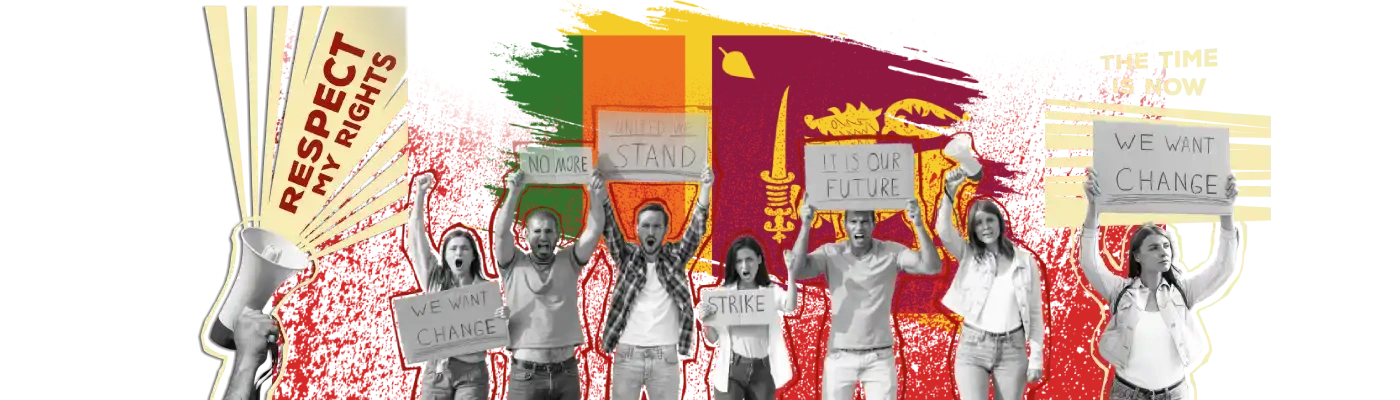

What are some potential international consequences of increased government surveillance on minority communities in Sri Lanka?
Increased government surveillance on minority communities in Sri Lanka can have several potential international consequences, including:
1.Human Rights Violations Accusations
Global Condemnation Heightened surveillance may lead to accusations of human rights violations, attracting condemnation from international human rights organisations and foreign governments.
Documentation of Abuses NGOs and advocacy groups may compile evidence of violations, further amplifying international criticism.
2. Diplomatic Tensions
Strained Bilateral Relations Countries with a strong focus on human rights may re-evaluate their diplomatic relations with Sri Lanka, leading to tensions or reduced cooperation.
Impact on Trade Agreements Concerns over surveillance practices may affect trade relations or lead to calls for conditionality in trade agreements based on human rights compliance.
3.International Sanctions
Imposition of Sanctions Continued human rights abuses linked to surveillance practices could result in targeted sanctions from international bodies or specific countries.
Economic Consequences Sanctions could have adverse effects on Sri Lanka’s economy, impacting sectors such as trade and investment.
4. Increased Scrutiny from International Organisations
UN Involvement International bodies, such as the United Nations, may increase scrutiny over Sri Lanka’s human rights record, potentially leading to resolutions or inquiries.
Human Rights Council Reviews Sri Lanka may face reviews or discussions in international forums focused on human rights issues.
5. Impact on Foreign Aid
Reduction in Aid Donor countries may reconsider or reduce foreign aid to Sri Lanka, particularly humanitarian assistance, if surveillance practices are viewed as oppressive.
Conditional Aid Aid may be made contingent upon improvements in human rights practices, including the cessation of discriminatory surveillance.
6.Pressure for Reforms
Calls for Policy Changes International pressure may lead to demands for reforms in surveillance laws and practices to align with human rights standards.
Support for Civil Society Increased international support for local civil society organisations may occur as they work to counteract oppressive practices.
7. Asylum and Refugee Issues
Increased MigrationHeightened surveillance could lead to an increase in individuals seeking asylum or refugee status in other countries, citing persecution based on ethnicity or political beliefs.
Challenges for Hosting Countries Countries receiving asylum seekers may face challenges related to integration, public sentiment, and resource allocation.
8. International Advocacy and Solidarity
Global Campaigns International human rights organisations may launch campaigns to raise awareness about the situation in Sri Lanka, mobilising support for affected communities.
Solidarity Movements Activists around the world may engage in solidarity movements, advocating for the rights of Sri Lankan minorities and calling for accountability.
The international consequences of increased government surveillance on minority communities in Sri Lanka are complex and multifaceted. They can lead to diplomatic tensions, human rights accusations, potential sanctions, and calls for reform. Addressing these issues is crucial for fostering a more positive international image and ensuring the protection of human rights for all citizens.