
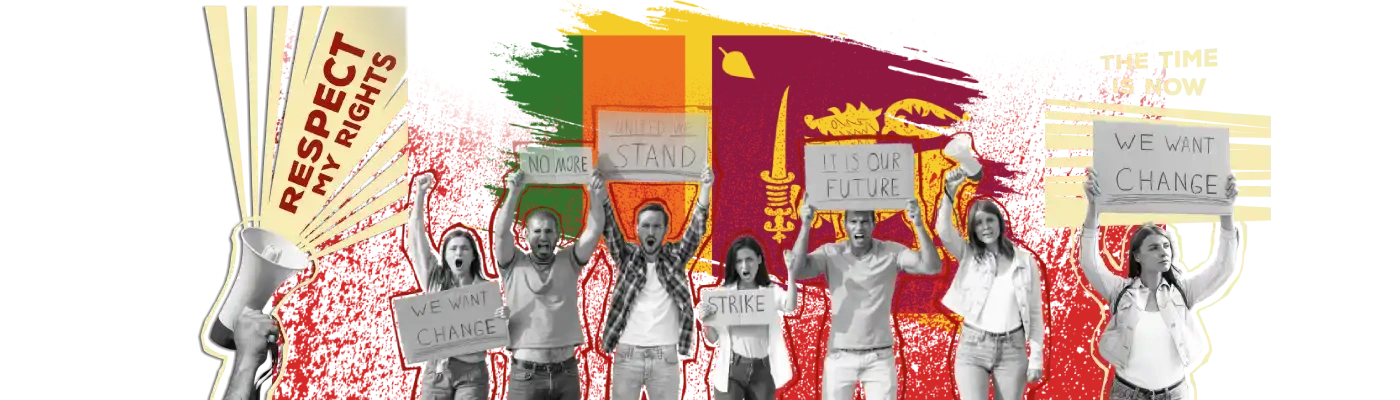

How do personal testimonies create a sense of urgency regarding human rights issues?
Personal testimonies create a sense of urgency regarding human rights issues through several impactful mechanisms:
1. **Immediate Human Impact**: Testimonies highlight the real-time consequences of human rights violations. By sharing personal stories of suffering and loss, they make it clear that these issues are not just statistics but affect individuals and families in profound ways.
2. **Emotional Engagement**: Personal narratives evoke strong emotions, such as anger, sadness, and compassion. This emotional response often drives individuals to feel that action is necessary to alleviate the suffering being described.
3. **Highlighting Ongoing Struggles**: Many testimonies detail ongoing issues that victims face, such as displacement, trauma, or lack of justice. By emphasising that these challenges are still present, testimonies create a sense of immediacy that can mobilise support.
4. **Call to Action**: Personal stories often include direct pleas for help or justice, making it clear that action is needed. This explicit call to action can galvanise audiences to engage, advocate, or contribute to solutions.
5. **Humanising Statistics**: By providing a face to the numbers, testimonies illustrate the scale of the problem in a relatable way. This humanisation compels audiences to recognise the urgency of addressing these violations rather than viewing them as distant or abstract issues.
6. **Challenging Complacency**: Testimonies confront complacency by revealing the harsh realities faced by victims. They remind audiences that human rights abuses continue to occur and that inaction can perpetuate suffering.
7. **Fostering Connection**: Personal stories often resonate with shared human experiences, creating a sense of connection with the victims. This connection can prompt individuals to feel a moral obligation to respond urgently.
8. **Creating Awareness of Systemic Issues**: Testimonies can expose systemic problems, such as government neglect or complicity, illustrating that the issues require urgent intervention at multiple levels, including advocacy and policy change.
9. **Mobilising Community Support**: When shared within communities or networks, personal testimonies can inspire collective action. This grassroots mobilisation can lead to events, campaigns, and initiatives aimed at addressing urgent human rights issues.
10. **Influencing Decision-Makers**: Testimonies presented to policymakers can demonstrate the pressing need for legal and systemic reforms. By conveying the urgency of the situation, they can pressure decision-makers to act swiftly.
By effectively conveying the emotional and immediate aspects of human rights violations, personal testimonies create a compelling sense of urgency that inspires action and advocacy.