
How did the civil war context contribute to the decision of many Tamils to migrate from Sri Lanka?
The civil war context in Sri Lanka played a critical role in the decision of many Tamils to migrate, particularly following the events of Black July in 1983. Here’s a detailed examination of how the civil war influenced migration decisions:
### 1. **Escalation of Violence**
– **Increased Hostilities:** The civil war, characterised by violent confrontations between the Sri Lankan government and Tamil militant groups, created an environment of constant fear. The brutality of the conflict, including massacres and human rights violations, made it perilous for Tamils to remain in the country.
– **Widespread Persecution:** Tamils faced systematic discrimination and violence, particularly after incidents like Black July. Many individuals feared for their safety and the safety of their families, motivating them to seek refuge elsewhere.
### 2. **Loss of Livelihoods**
– **Economic Devastation:** The civil war disrupted economic activities, leading to significant losses for Tamil businesses and livelihoods. Many people found themselves without jobs or means of sustenance, prompting them to consider migration as a means of survival.
– **Destruction of Property:** The conflict led to the destruction of homes and businesses, particularly in Tamil-majority areas. This destruction not only displaced families but also made it difficult for them to envision a stable future in Sri Lanka.
### 3. **Political Instability**
– **Uncertain Future:** The ongoing conflict created an atmosphere of political instability, leaving many Tamils uncertain about their future in the country. The lack of a peaceful resolution to the conflict made it increasingly difficult for them to feel secure.
– **Emergence of Militant Groups:** With the rise of groups like the LTTE, the political landscape became increasingly polarised. Many Tamils chose to distance themselves from the violence and seek a more stable environment abroad.
### 4. **Human Rights Violations**
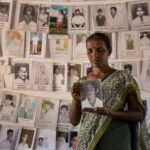
– **Targeted Attacks:** The civil war was marked by numerous human rights abuses against Tamils, including extrajudicial killings, disappearances, and torture. Such violations further underscored the need for safety and protection, driving many to seek asylum.
– **Lack of Legal Protections:** With the government often siding against Tamils, many felt they had no legal recourse to protect themselves within Sri Lanka. This lack of protection pushed them to look for safer havens abroad.
### 5. **Established Diaspora Networks**
– **Support Systems:** As the conflict intensified, an established Tamil diaspora began to form in countries like Canada, the UK, and Australia. These existing networks provided vital support for new migrants, making the decision to leave Sri Lanka easier for many Tamils.
– **Family Reunification:** Many Tamils who had migrated earlier were able to sponsor family members, creating pathways for migration that facilitated the movement of relatives.
### 6. **International Response**
– **Asylum Opportunities:** The international community’s growing awareness of the conflict led to more countries offering asylum and refugee status to Tamils fleeing violence. This legal framework encouraged migration as individuals sought safety abroad.
– **Humanitarian Support:** Organisations and NGOs began providing assistance to Tamils fleeing the conflict, further motivating individuals to seek refuge outside Sri Lanka.
### 7. **Pursuit of Education and Opportunity**
– **Educational Aspirations:** Many Tamils sought better educational opportunities for their children, viewing migration as a way to secure a brighter future. This desire for education became a significant factor in their decision-making process.
– **Economic Opportunities Abroad:** The promise of better job prospects in more stable economies attracted many Tamils. The hope for improved living conditions and economic stability was a powerful motivator for migration.
### 8. **Cultural Solidarity and Identity**
– **Shared Experiences:** The collective experience of violence and discrimination during the civil war fostered a sense of solidarity among Tamils. This shared identity motivated many to join diaspora communities abroad, seeking to preserve their culture while finding safety.
– **Advocacy for Rights:** Many Tamils viewed migration as a way to advocate for their rights and raise awareness about their struggles on an international stage, contributing to their decision to leave.
In summary, the civil war context significantly influenced the decision of many Tamils to migrate from Sri Lanka. The combination of escalating violence, economic hardship, political instability, human rights violations, and the pursuit of better opportunities created a compelling impetus for migration, leading to the establishment of a resilient and vibrant Tamil diaspora.