

In what ways can media framing influence government responses to conflicts?
Media framing can significantly influence government responses to conflicts in various ways, shaping both public sentiment and the political landscape. Here are key mechanisms through which media framing affects governmental actions:
### 1. **Shaping Public Opinion**
– **Influencing Perception of Urgency:** Media narratives can create a sense of urgency around a conflict, prompting the government to respond more swiftly to public calls for action, whether through military intervention or humanitarian aid.
– **Mobilising Public Sentiment:** Positive or negative portrayals of key players can mobilise public sentiment, leading to increased pressure on governments to act in alignment with popular opinion.
### 2. **Setting the Political Agenda**
– **Highlighting Specific Issues:** Media framing can prioritise certain aspects of a conflict, such as human rights violations or national security threats, guiding government focus and resource allocation.
– **Framing Policy Options:** The way conflicts are framed can influence the range of policy responses deemed appropriate or acceptable, narrowing or expanding the options available to decision-makers.
### 3. **Creating Political Pressure**
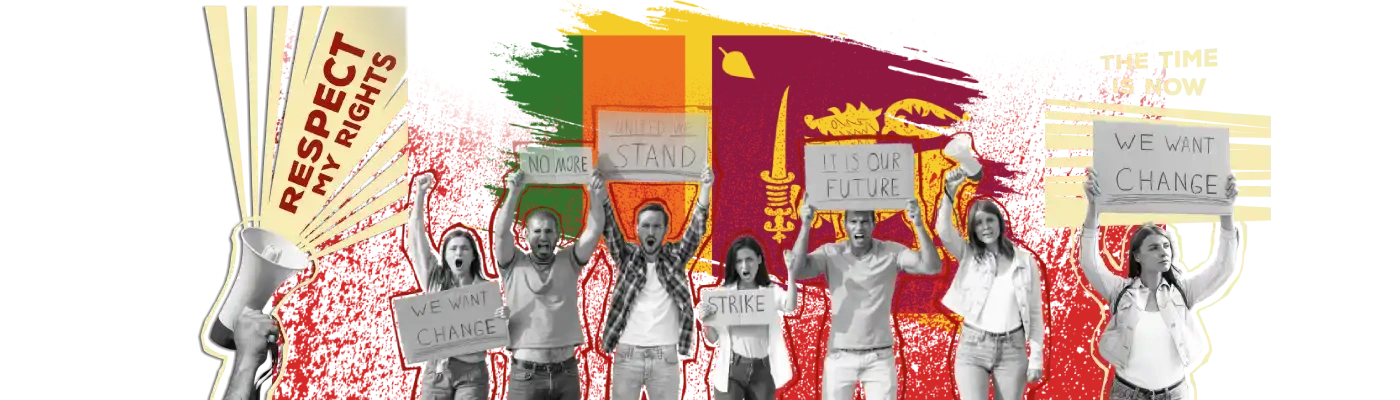
– **Public Pressure for Action:** Media coverage that highlights atrocities or humanitarian crises can lead to public outcry, pressuring government officials to take action to address these issues.
– **Influencing Political Discourse:** Politicians may adjust their rhetoric and policy positions based on media narratives to align with or counter public sentiment, affecting their electoral prospects.
### 4. **Legitimising Government Actions**
– **Justifying Military Interventions:** Media framing that emphasises threats to national security can legitimise military interventions, making it politically acceptable for governments to engage in conflict.
– **Supporting Humanitarian Efforts:** Positive media portrayals of humanitarian crises can encourage governments to allocate resources for aid and support, framing their actions as compassionate and responsible.
### 5. **Impacting International Relations**
– **Shaping Diplomatic Responses:** Media framing can affect how governments perceive their international obligations and relationships, influencing diplomatic strategies and alliances based on public narratives.
– **Influencing Multilateral Action:** If the media frames a conflict as a global concern, it may prompt governments to seek multilateral responses, leading to coordinated international actions.
### 6. **Reinforcing or Challenging Government Narratives**
– **Alignment with Official Frames:** If media narratives align with government frames, it can reinforce official stances and policies, leading to continued support for specific actions or strategies.
– **Challenging Government Actions:** Conversely, if media framing exposes inconsistencies or wrongdoing, it can challenge government narratives, prompting reevaluations of policies or actions.
### 7. **Long-Term Policy Shifts**
– **Shaping Historical Narratives:** Media framing can influence how conflicts are remembered and understood in the long term, affecting future government policy decisions based on historical context and public memory.
– **Guiding Future Strategies:** The portrayal of past conflicts can inform how governments approach future situations, impacting military, diplomatic, and humanitarian strategies.
### 8. **Encouraging Accountability**
– **Highlighting Accountability Issues:** Media framing that emphasises accountability and justice can pressure governments to address human rights violations and ensure that perpetrators are held accountable, shaping legal and political frameworks.
– **Public Engagement in Governance:** Increased media scrutiny can encourage governments to engage more transparently with the public, fostering accountability and responsiveness to citizens’ concerns.
In summary, media framing plays a critical role in influencing government responses to conflicts by shaping public opinion, guiding political agendas, and affecting international relations. Understanding these dynamics is essential for grasping how conflicts are managed and resolved.