

How do human rights organisations contribute to public awareness about violations?
Human rights organisations play a critical role in raising public awareness about violations through various strategies and methods. Here’s how they effectively contribute to this cause:
### 1. **Research and Reporting**
– **Comprehensive Reports**: They produce detailed reports on specific incidents or trends in human rights abuses, providing factual information and analysis that can inform the public and policymakers.
– **Annual Reviews**: Many organisations publish annual human rights reports summarising violations in specific countries or regions, which serve as resources for journalists, activists, and the public.
### 2. **Media Engagement**
– **Press Releases and Briefings**: Organisations issue press releases to inform the media about new findings, incidents, or calls to action, ensuring coverage of urgent human rights issues.
– **Media Partnerships**: Collaborating with journalists, they provide expert commentary and background information to enhance reporting on human rights violations.
### 3. **Digital and Social Media Campaigns**
– **Online Advocacy**: Utilising platforms like Twitter, Facebook, and Instagram, organisations share information, stories, and calls to action, reaching a wide audience rapidly.
– **Hashtags and Viral Campaigns**: They create hashtags and online challenges to mobilise public interest and encourage sharing, leading to increased visibility for specific issues.
### 4. **Public Events and Awareness Campaigns**
– **Workshops and Seminars**: Hosting educational events helps raise awareness about specific human rights issues, allowing for community engagement and informed discussions.
– **Vigils and Demonstrations**: Organising public gatherings, such as vigils or protests, draws media attention and encourages community participation in advocating for rights.
### 5. **Storytelling and Personal Testimonies**
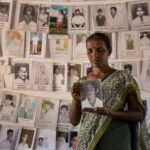
– **Sharing Victim Stories**: Organisations often highlight personal stories of victims, making abstract issues more relatable and pressing, which can evoke empathy and action from the public.
– **Documentaries and Visual Media**: Producing films and visual content that document human rights abuses can reach broader audiences and have a powerful emotional impact.
### 6. **Educational Resources**
– **Curriculum Development**: Many organisations create educational materials for schools and universities, promoting human rights education and awareness among students.
– **Toolkits for Activism**: Providing resources for grassroots activists helps empower individuals and communities to engage in advocacy and raise awareness locally.
### 7. **Collaboration with Influencers and Celebrities**
– **High-Profile Advocacy**: Collaborating with well-known figures can amplify messages, drawing significant attention to human rights issues and reaching diverse audiences.
– **Campaigns and Fundraising Events**: Celebrities often participate in campaigns or events, leveraging their platforms to raise awareness and funds for human rights initiatives.
### 8. **Policy Advocacy**
– **Engagement with Lawmakers**: By informing policymakers about human rights issues, organisations can influence legislation and public policy, which in turn raises awareness among the general public.
– **Submissions to International Bodies**: Presenting evidence of violations to organisations like the United Nations can spur international action and media attention.
Through these diverse strategies, human rights organisations not only inform the public about violations but also foster a culture of awareness, advocacy, and accountability. Their efforts are essential for mobilising action and promoting a more just society.