
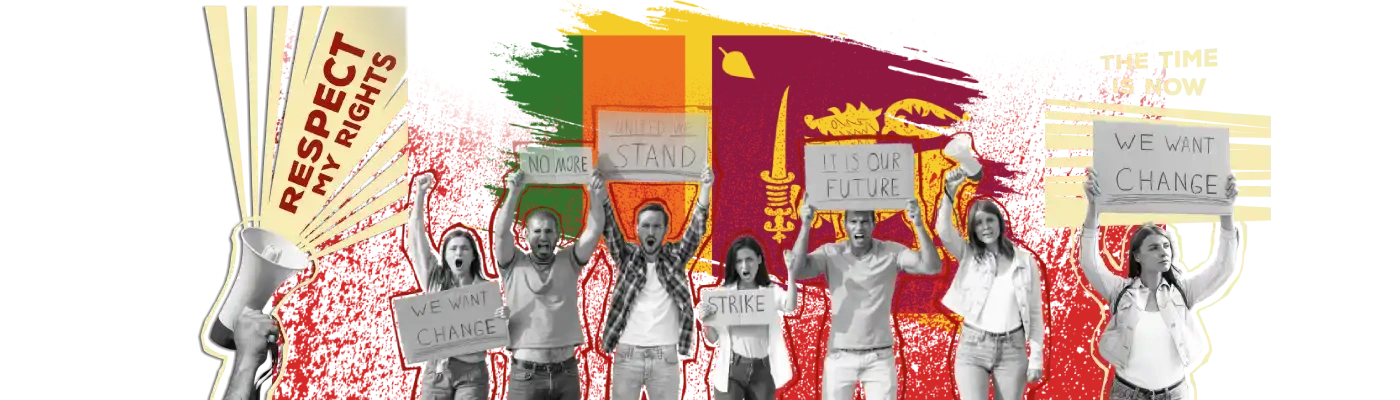

In what ways can emotional storytelling and visuals create a connection between audiences and human rights issues?
Emotional storytelling and visuals are powerful tools for creating connections between audiences and human rights issues. Here’s how they effectively engage individuals and foster empathy:
### 1. **Humanising Abstract Issues**
– **Personal Narratives**: Sharing individual stories of those affected by human rights abuses helps to transform abstract concepts into relatable experiences, allowing audiences to see the human side of the issues.
– **Real-Life Examples**: By focusing on specific cases, storytelling makes the consequences of human rights violations tangible, encouraging viewers to empathise with victims.
### 2. **Eliciting Emotional Responses**
– **Empathy and Compassion**: Emotional storytelling can evoke feelings of compassion, anger, or sadness, prompting audiences to care more deeply about the issues at hand.
– **Visual Impact**: Compelling images, such as photographs of affected individuals or communities, can trigger strong emotional reactions, making the issues more memorable.
### 3. **Creating a Sense of Urgency**
– **Dramatic Story Arcs**: Narrative structures that highlight struggles, challenges, and triumphs can create a sense of urgency, motivating audiences to take action or advocate for change.
– **Visual Contrast**: Juxtaposing images of suffering with those of resilience or hope can emphasise the need for immediate attention and action.
### 4. **Fostering Identification**
– **Relatable Characters**: Audiences are more likely to connect with stories that feature characters they can identify with, whether through shared experiences or values.
– **Cultural Context**: Using culturally relevant visuals and narratives can help audiences relate more closely to the issues, bridging gaps between different backgrounds.
### 5. **Encouraging Reflection**
– **Provoking Thought**: Emotional storytelling prompts audiences to reflect on their own beliefs and values regarding human rights, encouraging deeper engagement with the subject matter.
– **Challenging Perceptions**: By presenting narratives that challenge existing stereotypes or biases, storytelling can shift perspectives and promote understanding.
### 6. **Enhancing Memory Retention**
– **Visual and Narrative Memory**: People are more likely to remember stories that are emotionally charged and visually stimulating, ensuring that the messages persist in their minds.
– **Memorable Imagery**: Striking visuals associated with powerful narratives can create lasting impressions, making the audience more likely to discuss and share the issues.
### 7. **Building Community and Solidarity**
– **Shared Experiences**: Storytelling can reveal common struggles, fostering a sense of solidarity among audiences and encouraging collective action for human rights.
– **Creating Safe Spaces**: Emotional narratives can help create environments where individuals feel safe to share their own experiences and connect with others.
### 8. **Inspiring Action**
– **Calls to Action**: Emotional storytelling often includes clear calls to action, motivating audiences to support campaigns, sign petitions, or engage in advocacy.
– **Empowerment**: By showcasing resilience and activism, stories can empower audiences to believe that they can make a difference, inspiring them to take action.
### Conclusion
Emotional storytelling and visuals play a crucial role in creating connections between audiences and human rights issues. By humanising abstract problems, eliciting emotional responses, and fostering identification, they engage individuals on a deeper level. This connection not only enhances awareness but also inspires empathy and action, ultimately contributing to the advancement of human rights advocacy.