
What were some of the consequences faced by journalists during the Sri Lankan civil war?
Journalists in Sri Lanka faced numerous severe consequences during the civil war, significantly impacting their lives and the media landscape. Here are some of the key consequences:
### 1. **Loss of Life**
– Numerous journalists were assassinated for their reporting, particularly those who covered sensitive topics related to the war and human rights violations. This created a climate of fear within the profession.
### 2. **Arrest and Detention**
– Many journalists were arbitrarily arrested, with some detained without charges. This not only disrupted their careers but also instilled fear among their colleagues.
### 3. **Forced Disappearances**
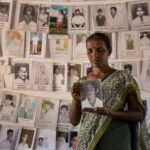
– Some journalists went missing under suspicious circumstances, leading to concerns about enforced disappearances, with their families left seeking answers.
### 4. **Censorship and Self-Censorship**
– Due to threats and harassment, journalists often resorted to self-censorship, avoiding topics that could lead to reprisals, which stifled independent reporting and critical discourse.
### 5. **Exile**
– Many journalists were forced to flee the country to escape persecution, leading to a significant brain drain in the media sector and a loss of local voices in journalism.
### 6. **Physical Violence and Intimidation**
– Journalists faced physical attacks and intimidation from both state and non-state actors, which not only endangered their safety but also affected their ability to report freely.
### 7. **Destruction of Media Outlets**
– Media organisations were attacked, vandalised, or shut down, further limiting the space for independent journalism and reducing the diversity of viewpoints in the media.
### 8. **Psychological Trauma**
– The constant threat of violence, coupled with witnessing atrocities, led to significant psychological trauma among journalists, affecting their mental health and well-being.
### 9. **Legal Challenges**
– Journalists faced defamation lawsuits and other legal threats aimed at silencing dissent and punishing critical reporting, further complicating their work.
### 10. **Loss of Credibility and Trust**
– The environment of fear and repression contributed to a decline in public trust in the media, as many journalists struggled to maintain their integrity under such pressure.
### Conclusion
The consequences faced by journalists during the Sri Lankan civil war were severe and far-reaching, significantly affecting their ability to report independently and safely. The legacy of these challenges continues to impact the media landscape in Sri Lanka, underscoring the ongoing need for protections for press freedom and the safety of journalists.