
What role do multimedia elements play in digital campaigns for human rights issues?
In digital campaigns for human rights issues, various multimedia elements can significantly enhance engagement. Here’s a breakdown of effective types:
1. **Videos**
– **Documentaries**: Short films or mini-documentaries that tell personal stories or highlight specific issues can create emotional connections.
– **Interviews**: Clips featuring testimonials from victims or activists provide authentic voices and perspectives.
– **Live Streams**: Real-time broadcasts of events, protests, or discussions can engage audiences and create a sense of immediacy.
2. **Infographics**
– **Data Visualisation**: Infographics that present statistics and data on human rights violations in an engaging visual format can make complex information easily digestible.
– **Comparative Charts**: Visual comparisons of human rights situations across different regions or time periods can highlight trends and issues effectively.
3. **Images and Photography**
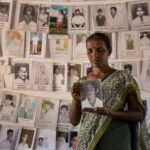
– **Powerful Imagery**: Compelling photographs that capture the essence of human rights issues can evoke strong emotional responses.
– **Photo Essays**: A series of images that tell a story or document an event can provide a deeper understanding of the context.
4. **Interactive Content**
– **Quizzes and Polls**: Engaging users with interactive quizzes or polls can raise awareness while also providing insights into public opinion.
– **Interactive Maps**: Maps that illustrate the locations of human rights violations or the impact of policies can provide valuable context and engage users visually.
5. **Audio Elements**
– **Podcasts**: Audio discussions or interviews that explore human rights issues can reach audiences who prefer auditory content.
– **Sound Clips**: Short audio clips from interviews or events can enhance video content or stand alone as impactful messages.
6. **Social Media Graphics**
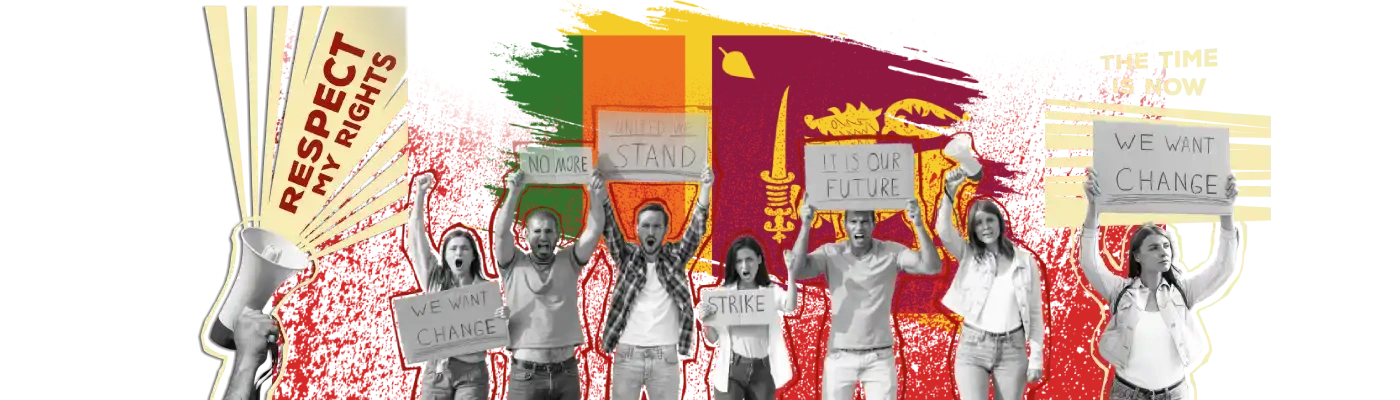
– **Shareable Posts**: Eye-catching graphics designed for social media platforms can easily be shared, expanding the reach of the campaign.
– **Animated GIFs**: Simple animations can convey messages quickly and engagingly, making them ideal for social media.
7. **Virtual Reality (VR) and Augmented Reality (AR)**
– **Immersive Experiences**: VR experiences can transport users to conflict zones or affected communities, fostering empathy and a deeper understanding of the issues.
– **AR Enhancements**: AR elements can overlay information or stories onto real-world views, making educational experiences more interactive.
8. **Webinars and Online Workshops**
– **Educational Sessions**: Hosting live webinars featuring experts discussing human rights issues can inform and engage audiences, allowing for Q&A sessions.
– **Skill-Building Workshops**: Online workshops that teach advocacy skills can empower participants to take action.
9. **E-books and Digital Publications**
– **Informative Resources**: E-books that compile research, case studies, or guides on human rights can serve as valuable resources for advocates and the interested public.
– **Interactive PDFs**: Documents that include embedded links, videos, or interactive elements can engage readers more effectively than traditional formats.
10. **Campaign Hashtags and Challenges**
– **Social Media Campaigns**: Creating unique hashtags encourages users to share their own content and experiences, fostering community engagement around specific themes.
By incorporating these multimedia elements, digital campaigns can create a rich, engaging experience that not only raises awareness but also motivates action and fosters a deeper understanding of human rights issues.