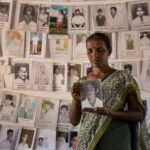


What role do international organisations play in raising awareness about human rights abuses?
International organisations play a critical role in raising awareness about human rights abuses through various strategies and activities:
1. **Research and Documentation**: Organisations like Amnesty International and Human Rights Watch conduct extensive research to document human rights abuses. They gather testimonies, analyse data, and publish detailed reports that highlight specific incidents and patterns of abuse. This documentation serves as an essential resource for advocacy and informs the global community.
2. **Public Awareness Campaigns**: These organisations launch campaigns that aim to educate the public about human rights issues. This can include social media outreach, public demonstrations, and informational materials that raise awareness and mobilise support for specific causes.
3. **Advocacy and Lobbying**: International organisations engage in lobbying efforts to influence policymakers at national and international levels. They present findings to government officials, urging them to take action against human rights violations and to implement policies that protect human rights.
4. **Engagement with International Bodies**: Many organisations participate in forums like the United Nations Human Rights Council, where they present their findings and advocate for resolutions addressing human rights abuses. Their participation helps to bring attention to specific issues on a global stage.
5. **Training and Capacity Building**: Organisations often provide training and resources to local human rights defenders and civil society groups. This empowers communities to advocate for their rights and raises awareness about human rights issues at grassroots levels.
6. **Coalition Building**: By forming coalitions with other NGOs, civil society organisations, and grassroots movements, international organisations amplify their voices and create a more unified front against human rights abuses. This collective effort can lead to more significant awareness and impact.
7. **Media Engagement**: International organisations often work with journalists and media outlets to ensure that human rights abuses are covered in news reports. By providing information, interviews, and resources, they help shape media narratives and keep human rights issues in the public eye.
8. **Monitoring and Reporting**: Continuous monitoring of human rights situations allows organisations to provide timely updates and alerts about ongoing abuses. This helps maintain pressure on governments and can trigger international responses.
9. **Legal Action and Advocacy**: Some organisations engage in strategic litigation, bringing cases related to human rights abuses to national and international courts. Such actions can raise awareness about specific issues and lead to legal precedents that protect human rights.
10. **Mobilising Global Solidarity**: By connecting local issues to broader global movements for human rights, international organisations foster solidarity among various communities. This helps raise awareness about interconnected human rights issues and encourages collective action.
Through these mechanisms, international organisations play a vital role in raising awareness about human rights abuses, advocating for accountability, and promoting justice on a global scale.