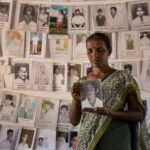


What role do human rights organisations play in documenting incidents of human rights violations?
Human rights organisations play a vital role in documenting incidents of human rights violations, serving as watchdogs and advocates for justice. Their contributions are multifaceted and essential for promoting accountability. Here’s an overview of their key roles:
### 1. **Fact-Finding and Evidence Gathering**
– **Investigative Missions**: Organisations conduct on-the-ground investigations, often sending teams to affected areas to collect firsthand accounts from witnesses, victims, and local communities.
– **Documentation Techniques**: They utilise various methods, including interviews, video recordings, photographs, and forensic analysis, to gather comprehensive evidence of violations.
### 2. **Reporting and Publication**
– **Detailed Reports**: Findings are compiled into reports that provide a thorough analysis of the incidents, including timelines, the nature of the violations, and the context in which they occurred.
– **Public Awareness**: These reports are often disseminated to the media, policymakers, and the public to raise awareness and stimulate dialogue about human rights issues.
### 3. **Legal Support**
– **Evidence for Legal Action**: Documented evidence can be crucial for legal proceedings, enabling victims to seek justice through national or international courts.
– **Amicus Curiae Briefs**: Organizations may submit legal opinions to courts to provide expert insights on human rights law relevant to specific cases.
### 4. **Advocacy for Accountability**
– **Pressure on Governments**: By documenting violations, organisations can hold governments accountable and pressure them to take corrective actions.
– **International Mechanisms**: They often present findings to international bodies, such as the United Nations, to prompt investigations and recommendations.
### 5. **Monitoring Trends and Patterns**
– **Data Collection**: Organisations track and analyse patterns of violations over time, which can highlight systemic issues and inform advocacy strategies.
– **Alerts and Early Warning**: Continuous monitoring allows them to issue alerts about potential escalations in violence or new threats to human rights.
### 6. **Collaboration with Local Entities**
– **Partnerships**: Human rights organisations often collaborate with local NGOs, community groups, and activists to enhance their documentation efforts and ensure local voices are included.
– **Capacity Building**: They may train local organisations in documentation methods, empowering communities to report violations more effectively.
### 7. **Educational Outreach**
– **Raising Awareness**: Organisations use documented cases to educate the public and policymakers about human rights issues, fostering a culture of accountability.
– **Advocacy Campaigns**: They create campaigns based on documented incidents to mobilise support for human rights initiatives.
In summary, human rights organisations are pivotal in documenting violations, furnishing vital evidence for accountability, and advocating for systemic change. Their efforts are crucial for ensuring that human rights are respected and upheld globally.