
What role do grassroots movements play in mobilising public support for human rights issues?
Grassroots movements are essential in mobilising public support for human rights issues, serving as a powerful force for change at the community level and beyond. Here’s how they contribute to this vital effort:
### 1. **Local Engagement and Empowerment**
– **Community Involvement**: Grassroots movements engage local communities directly, ensuring that the voices of those affected by human rights issues are heard and represented.
– **Empowering Individuals**: They empower individuals by educating them about their rights and encouraging them to take action, fostering a sense of ownership over the issues that affect them.
### 2. **Raising Awareness**
– **Disseminating Information**: Grassroots movements provide information about human rights violations, educating the public and dispelling myths or misconceptions.
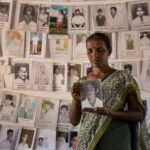
– **Highlighting Personal Stories**: By sharing personal narratives and experiences, they humanise issues, making them relatable and urgent for the broader public.
### 3. **Building Solidarity and Community**
– **Creating Networks**: These movements build networks of support among individuals and organisations, fostering solidarity and collective action.
– **Strengthening Community Bonds**: By bringing people together around common causes, grassroots movements enhance community cohesion and resilience.
### 4. **Mobilising Action**
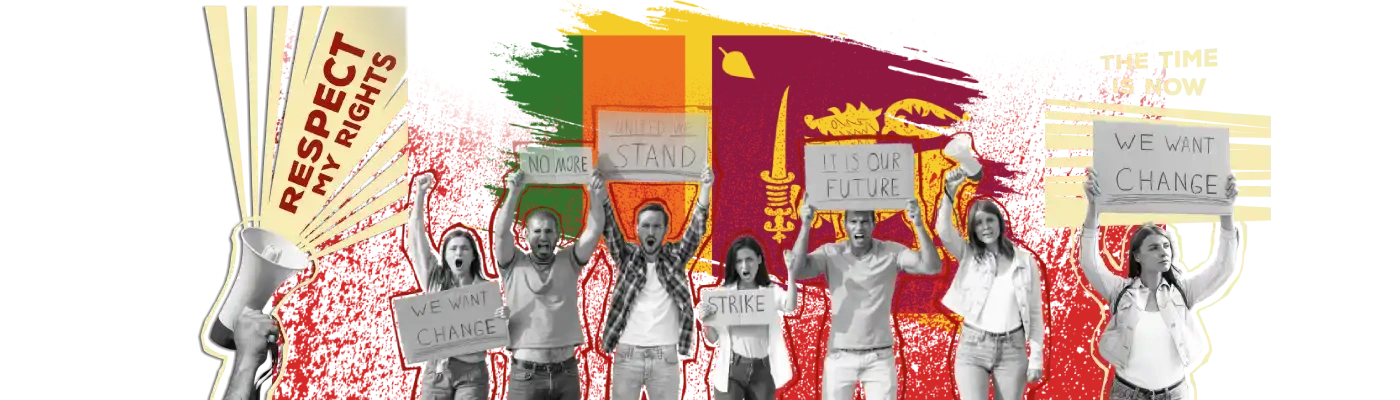
– **Organising Events and Protests**: Grassroots movements often organise rallies, demonstrations, and community events to raise visibility and generate public support for human rights issues.
– **Encouraging Volunteerism**: They inspire individuals to get involved, whether through volunteering, donating, or participating in campaigns, creating a sense of shared purpose.
### 5. **Advocacy and Lobbying**
– **Engaging in Direct Advocacy**: Grassroots movements advocate for policy changes by engaging with local and national leaders, influencing decision-makers to prioritise human rights.
– **Petition Drives**: They often initiate petitions to demonstrate public support for specific issues, putting pressure on policymakers to respond.
### 6. **Leveraging Social Media**
– **Utilising Digital Platforms**: Grassroots movements effectively use social media to reach wider audiences, share information quickly, and mobilise support rapidly.
– **Creating Viral Campaigns**: Online campaigns can go viral, raising awareness and prompting action on a larger scale than traditional methods might allow.
### 7. **Influencing Public Opinion**
– **Shaping Narratives**: By framing issues in relatable terms, grassroots movements can influence how the public perceives human rights issues, making them more salient.
– **Countering Dominant Discourses**: They challenge mainstream narratives that may downplay or ignore human rights violations, bringing alternative perspectives to the forefront.
### 8. **Promoting Sustainability and Long-Term Change**
– **Engaging Youth and Future Generations**: Grassroots movements often involve young people, ensuring that the fight for human rights continues into the future.
– **Building Resilient Communities**: By fostering a culture of activism and awareness, they help create communities that are more resilient to abuses and more committed to protecting human rights.
### 9. **Creating Pressure for Accountability**
– **Holding Leaders Accountable**: Grassroots movements can exert pressure on local and national leaders to act on human rights issues, demanding transparency and accountability.
– **Monitoring and Reporting**: They often engage in monitoring human rights abuses and reporting findings, keeping authorities accountable for their actions.
### Conclusion
Grassroots movements play a pivotal role in mobilising public support for human rights issues by engaging communities, raising awareness, and fostering collective action. Their ability to connect with individuals on a personal level, build networks of solidarity, and influence public opinion makes them a powerful force in the pursuit of justice and accountability. Through sustained efforts, these movements not only address immediate issues but also contribute to a broader culture of human rights advocacy.