
What role did grassroots movements play in Tamil activism following the enactment of the Sinhala Only Act?
Following the enactment of the **Sinhala Only Act** in 1956, grassroots movements played a pivotal role in Tamil activism, significantly shaping the response to perceived injustices and mobilising the community. Here are some key aspects of this grassroots activism:
### 1. **Mobilisation and Organisation**
– **Local Leadership**: Grassroots movements empowered local leaders and activists to organise protests and demonstrations. This included student leaders, trade unionists, and community organisers who rallied support at the local level.
– **Community Involvement**: Activism became a community effort, with people from various backgrounds coming together to address shared grievances, fostering a sense of unity and collective identity.
### 2. **Protests and Demonstrations**
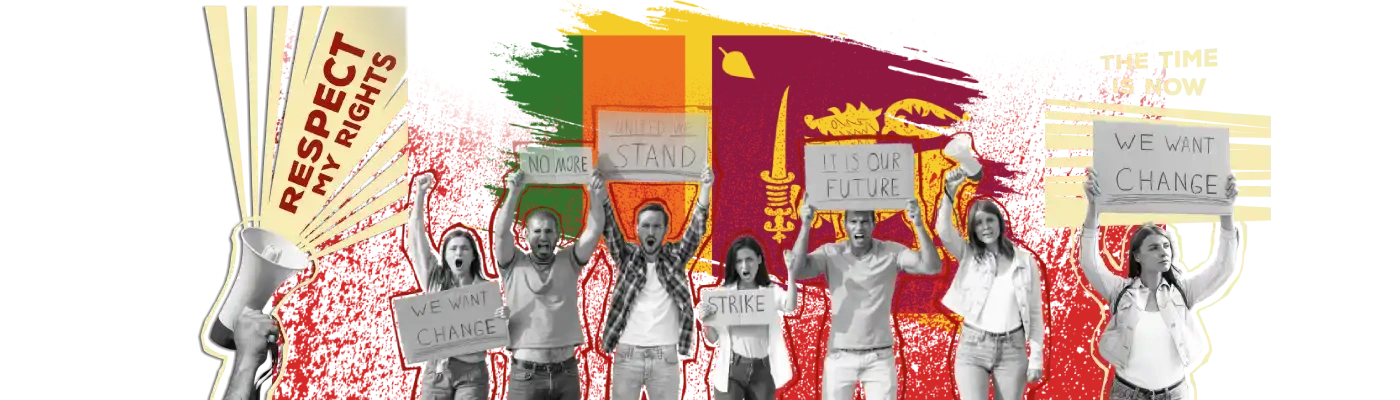
– **Mass Mobilisation**: Large-scale protests were organised against the Sinhala Only Act, with rallies taking place in major Tamil areas. These demonstrations drew attention to the issues facing the Tamil community and showcased widespread discontent.
– **Symbolic Acts**: Activists often engaged in symbolic acts of resistance, such as using Tamil in public spaces and refusing to comply with Sinhala-only policies, emphasising the importance of their language and culture.
### 3. **Cultural Revival**
– **Cultural Events**: Grassroots movements emphasised the celebration of Tamil culture through festivals, literary events, and language classes, thereby reinforcing Tamil identity and heritage.
– **Art and Literature**: Activists utilised art, literature, and music to express their frustrations and aspirations, creating a rich cultural narrative that supported the Tamil cause.
### 4. **Youth Engagement**
– **Student Activism**: Universities and schools became hotbeds of activism, with students organising against the act and advocating for Tamil rights. Their energy and determination were crucial in mobilising broader support.
– **Formation of Youth Organisations**: Groups like the **Tamil Students’ Federation** emerged, focusing specifically on educational and linguistic rights, fostering a politically aware generation.
### 5. **Political Pressure**
– **Advocacy for Rights**: Grassroots movements pressured political leaders to recognise Tamil grievances, pushing for policy changes and greater representation in the political sphere.
– **Electoral Influence**: Organised grassroots campaigns helped Tamil political parties gain traction in elections, demonstrating the power of collective action in influencing political outcomes.
### 6. **Network Building**
– **Solidarity with Other Communities**: Grassroots movements often sought alliances with other marginalised groups, fostering a broader coalition for rights and equality. This was particularly evident in issues related to language and education.
– **International Awareness**: Activists connected with global human rights organisations, raising awareness of the Tamil struggle and garnering international support.
### Conclusion
Grassroots movements were instrumental in shaping Tamil activism in the wake of the Sinhala Only Act, fostering a robust network of engagement that emphasised community, culture, and rights. This activism not only addressed immediate grievances but also laid the groundwork for future political mobilisation and the broader Tamil nationalist movement. Their enduring legacy continues to influence Tamil identity and activism today.