
What are some effective strategies used by grassroots movements to raise awareness about human rights issues?
Grassroots movements employ a variety of effective strategies to raise awareness about human rights issues. Here are some of the most impactful approaches:
### 1. **Storytelling and Personal Testimonies**
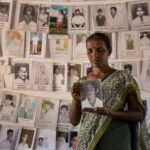
– **Sharing Victim Narratives**: Highlighting personal stories of individuals affected by human rights violations humanises the issues, making them more relatable and compelling.
– **Creating Video Documentaries**: Using video formats to present stories can capture attention and evoke emotional responses, increasing engagement.
### 2. **Community Engagement and Education**
– **Workshops and Seminars**: Organising educational sessions to inform communities about human rights issues and the legal frameworks surrounding them.
– **Public Discussions and Forums**: Hosting open forums allows community members to discuss issues, share experiences, and learn from each other.
### 3. **Utilising Social Media**
– **Engaging Content Creation**: Leveraging platforms like Twitter, Facebook, and Instagram to share informative posts, infographics, and videos that highlight human rights issues.
– **Hashtags and Viral Campaigns**: Creating catchy hashtags to encourage sharing and discussions, making it easier for messages to spread quickly.
### 4. **Organising Public Events**
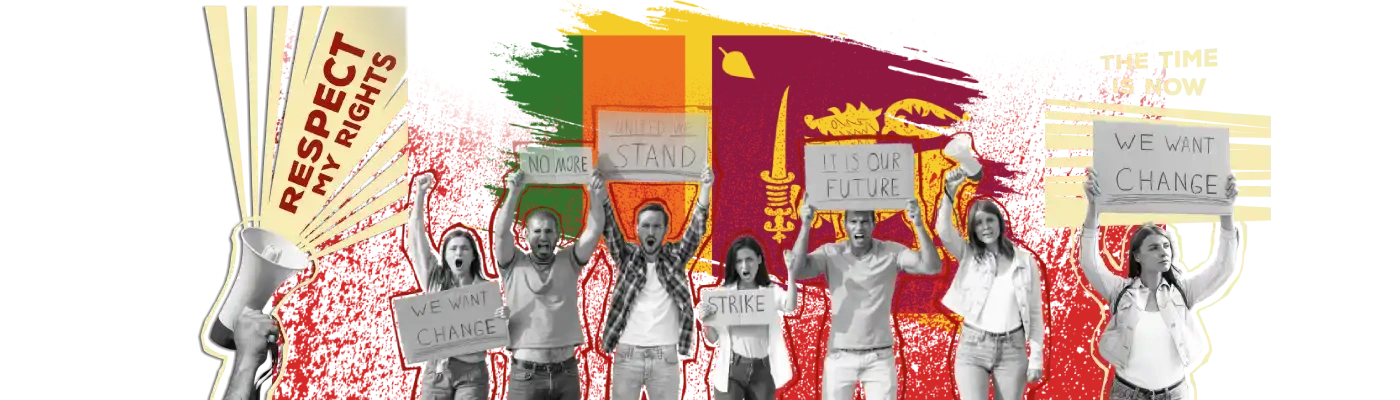
– **Protests and Rallies**: Organising public demonstrations to raise visibility for specific human rights issues and show community solidarity.
– **Awareness Days**: Coordinating events around international human rights days to amplify messages and draw attention.
### 5. **Collaborating with Local Media**
– **Press Releases and Interviews**: Engaging with local news outlets to share information about campaigns, events, and findings related to human rights abuses.
– **Opinion Pieces and Articles**: Writing articles or op-eds in local newspapers to discuss pressing human rights issues and advocate for change.
### 6. **Partnering with Influencers**
– **Engaging Public Figures**: Collaborating with celebrities, activists, or community leaders to amplify messages and reach broader audiences.
– **Social Media Takeovers**: Allowing influencers to take over campaign social media accounts to share their perspectives and attract new followers.
### 7. **Creative Expression**
– **Art and Performances**: Using art, theatre, and music to convey messages about human rights, making complex issues more accessible and engaging.
– **Installations and Exhibitions**: Creating visual displays in public spaces can draw attention and provoke thought about human rights issues.
### 8. **Petitions and Advocacy Campaigns**
– **Online Petitions**: Utilising platforms like Change.org to gather signatures for specific causes, demonstrating public support and mobilising action.
– **Advocacy Letters**: Encouraging supporters to write letters to local representatives, demanding action on specific human rights issues.
### 9. **Educational Materials and Resources**
– **Brochures and Pamphlets**: Distributing informative materials that explain human rights issues and provide resources for victims.
– **Resource Websites**: Creating dedicated websites that compile information, resources, and ways to get involved.
### 10. **Building Coalitions**
– **Collaborating with Other Organisations**: Partnering with NGOs, community groups, and international bodies to increase reach and amplify efforts.
– **Forming Alliances**: Uniting various stakeholders to present a united front on human rights issues, making campaigns more impactful.
### Conclusion
Grassroots movements utilise a diverse array of strategies to raise awareness about human rights issues, from storytelling and community engagement to leveraging social media and creative expression. By combining these approaches, they effectively mobilise public support, educate communities, and advocate for change, ultimately fostering a more informed and active society in the pursuit of human rights.