
What actions were taken against journalists and media personnel during the Sri Lankan civil war?
During the Sri Lankan civil war, journalists and media personnel faced severe repression, leading to a significant decline in press freedom. The following actions were notably taken against them:
### 1. **Intimidation and Harassment**
– Journalists often faced threats from both government forces and the LTTE, aimed at silencing dissenting voices or critical reporting on the war.
### 2. **Censorship**
– The government imposed strict censorship on news coverage related to the conflict, limiting the ability of journalists to report freely on military operations and human rights abuses.
### 3. **Arrests and Detentions**
– Many journalists were arbitrarily arrested and detained without due process. Some were held for extended periods under anti-terrorism laws.
### 4. **Assassinations**
– Several journalists were murdered during the conflict, particularly those reporting on sensitive topics related to the war or government conduct. Notable cases include the killings of:
– **Lasantha Wickrematunge** (2009): A prominent journalist who was assassinated for his outspoken criticism of the government.
– **Keith Noyahr** and **Namal Perera**: Other journalists who faced violent reprisals for their work.
### 5. **Disappearances**
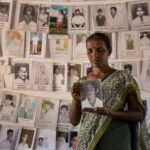
– Some journalists went missing under suspicious circumstances, leading to fears of enforced disappearances. Families and communities still seek justice and answers regarding their fates.
### 6. **Attacks on Media Outlets**
– Media offices were subject to violent attacks, vandalism, and arson, particularly those perceived as critical of the government.
### 7. **Self-Censorship**
– Due to the pervasive climate of fear, many journalists resorted to self-censorship, avoiding sensitive topics to protect themselves and their families.
### 8. **Exile**
– Many journalists fled the country to escape persecution, leading to a significant diaspora of Sri Lankan media professionals who continue to report on issues from abroad.
### 9. **Legal Challenges**
– Some journalists faced legal action, including defamation lawsuits, aimed at silencing critical reporting and undermining their credibility.
### 10. **Restricted Access to Conflict Areas**
– Journalists were often denied access to conflict zones, preventing them from reporting on the realities of the war, including civilian casualties and humanitarian crises.
### Conclusion
The actions taken against journalists and media personnel during the Sri Lankan civil war created a hostile environment for press freedom. The legacy of these actions continues to impact the media landscape in the country, with ongoing concerns about freedom of expression and the safety of journalists. Efforts to promote accountability and protect press freedoms remain crucial in fostering a more open and democratic society in Sri Lanka.