
In what ways do grassroots movements influence public opinion on human rights violations?
Grassroots movements have a profound impact on public opinion regarding human rights violations through various strategies and approaches. Here are the key ways they exert this influence:
### 1. **Storytelling and Personal Narratives**
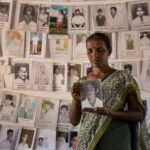
– **Humanising Issues**: By sharing personal stories of victims, grassroots movements make abstract human rights issues tangible and relatable, fostering empathy among the public.
– **Creating Emotional Connections**: Personal accounts evoke emotional responses, helping people to connect with the struggles faced by victims, which can shift perceptions and attitudes.
### 2. **Education and Awareness-raising**
– **Informational Campaigns**: Grassroots movements organise workshops, seminars, and informational sessions to educate the public about specific human rights issues, enhancing understanding and awareness.
– **Disseminating Research and Data**: By providing access to facts and statistics, they help clarify the scope and seriousness of human rights violations, countering misinformation.
### 3. **Utilising Media and Communication Tools**
– **Leveraging Social Media**: Grassroots movements effectively use social media platforms to spread their messages quickly and widely, reaching diverse audiences and amplifying their voices.
– **Engaging Traditional Media**: By attracting media attention to their campaigns, they can bring issues into the public eye, shaping how those issues are perceived by a broader audience.
### 4. **Organising Public Events and Actions**
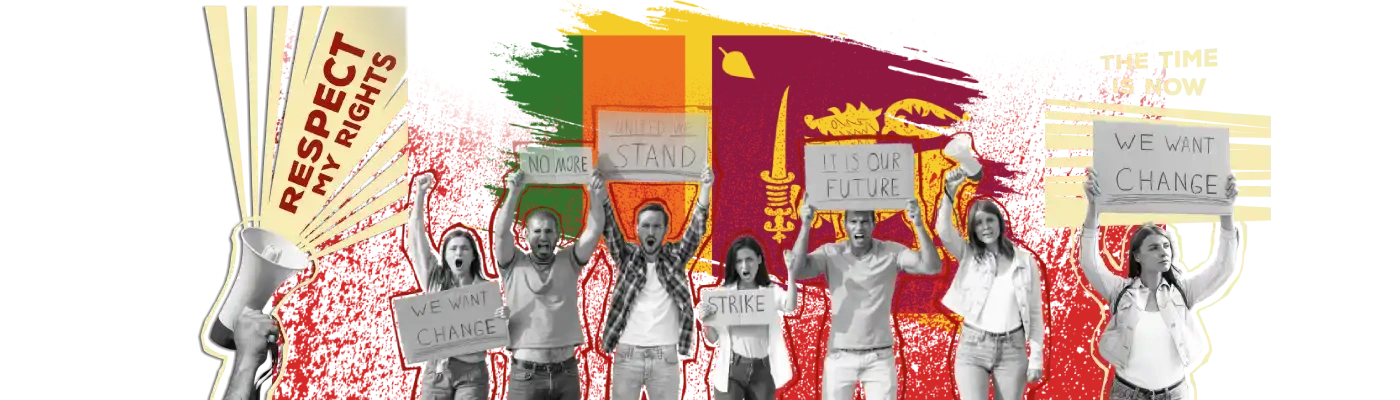
– **Protests and Rallies**: Organising public demonstrations raises visibility for human rights violations, demonstrating to the public and authorities that there is significant concern and demand for change.
– **Community Engagement Events**: Events like town halls and forums provide spaces for dialogue, allowing communities to discuss human rights issues and share perspectives.
### 5. **Building Community Solidarity**
– **Creating Networks**: Grassroots movements foster connections among individuals and communities, encouraging collective action and support for human rights causes.
– **Strengthening Local Identity**: By uniting people around common human rights issues, they enhance community identity, making residents more invested in local and national human rights discussions.
### 6. **Challenging Dominant Narratives**
– **Counter-Narratives**: Grassroots movements often challenge prevailing narratives that downplay or ignore human rights violations, providing alternative perspectives that highlight injustices.
– **Framing Issues**: They strategically frame human rights issues in ways that resonate with public values and concerns, making them more compelling and relevant.
### 7. **Engaging Influencers and Allies**
– **Partnering with Public Figures**: Collaborating with celebrities, activists, and community leaders can amplify messages and attract attention to human rights issues, influencing public opinion through association.
– **Building Alliances**: By working with other organisations, grassroots movements can broaden their reach and impact, enhancing credibility and support.
### 8. **Encouraging Active Participation**
– **Mobilising Volunteers**: Grassroots movements often encourage individuals to get involved, whether through volunteering, signing petitions, or participating in campaigns, fostering a sense of agency and investment in human rights.
– **Engaging Youth**: Many movements focus on younger generations, instilling values of social justice and activism that can shape long-term attitudes toward human rights.
### 9. **Utilising Visual Content**
– **Powerful Imagery**: Grassroots movements often use compelling visuals, such as photographs and videos, to capture attention and convey the urgency of human rights issues.
– **Art and Creative Expression**: Utilising art and creative forms of expression can resonate deeply with audiences, making complex issues more accessible and engaging.
### Conclusion
Grassroots movements significantly influence public opinion on human rights violations by employing storytelling, education, media engagement, and community building. Their ability to humanise issues, challenge dominant narratives, and mobilise public support creates a more informed and empathetic society, ultimately driving action for justice and accountability. Through these efforts, grassroots movements play a crucial role in shaping the discourse around human rights and fostering a culture of advocacy.