
In what ways did the Tamil diaspora influence international relations regarding human rights issues in Sri Lanka?
The Tamil diaspora has significantly influenced international relations concerning human rights issues in Sri Lanka through various channels and actions. Here are the key ways they have made an impact:
### 1. **Advocacy and Lobbying**
– **Engagement with Governments**: Diaspora groups actively lobbied foreign governments to address human rights abuses in Sri Lanka, urging them to take a stand against the Sri Lankan government’s actions during and after the civil war.
– **Targeting International Organisations**: They reached out to international bodies like the United Nations, pushing for investigations into war crimes and accountability for the Sri Lankan government.
### 2. **Raising Awareness**
– **Media Campaigns**: The diaspora utilised media platforms to highlight human rights violations, ensuring that the plight of Tamils received global attention. This included producing documentaries, articles, and social media campaigns.
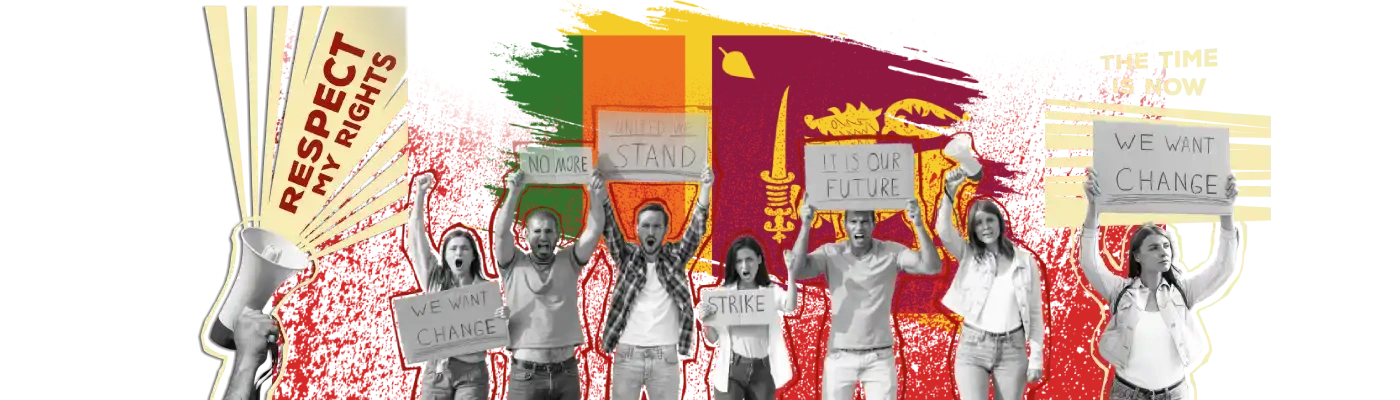
– **Public Protests**: Organised protests in major cities around the world drew attention to the humanitarian crisis in Sri Lanka, mobilising public opinion and garnering media coverage.
### 3. **Legal Initiatives**
– **File Complaints**: Members of the diaspora have filed legal complaints against Sri Lankan officials in various countries, accusing them of war crimes and human rights violations. This has led to some legal actions and investigations in jurisdictions where universal jurisdiction applies.
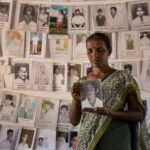
– **Documentation of Abuses**: Collaborations with human rights organisations helped document and compile evidence of abuses, which has been used in legal proceedings and reports aimed at international bodies.
### 4. **Engagement with International Bodies**
– **U.N. Resolutions**: The diaspora’s advocacy contributed to the passage of several U.N. resolutions addressing human rights in Sri Lanka, including calls for investigations into alleged war crimes and violations.
– **Human Rights Council**: Tamil representatives have participated in sessions of the U.N. Human Rights Council, presenting testimonies and reports that have influenced discussions and resolutions.
### 5. **Building Alliances**
– **Coalition with NGOs**: The diaspora has collaborated with international human rights organisations, forming coalitions to amplify their voices and enhance the credibility of their claims.
– **Solidarity Movements**: They have linked their struggles with other global human rights movements, gaining broader support and creating a more unified front against human rights violations.
### 6. **Influencing Foreign Policy**
– **Diplomatic Pressure**: The diaspora’s lobbying resulted in some countries reconsidering their diplomatic relations with Sri Lanka, incorporating human rights conditions into aid and trade agreements.
– **Sanctions and Restrictions**: In some cases, diaspora advocacy led to calls for sanctions against Sri Lankan officials implicated in human rights abuses, influencing international policy decisions.
### 7. **Post-Conflict Monitoring**
– **Continued Engagement**: Following the end of the civil war, the diaspora remained active in monitoring the human rights situation in Sri Lanka, advocating for ongoing international scrutiny and support for accountability measures.
– **Support for Reconciliation**: They have also promoted reconciliation efforts, urging the international community to support initiatives that address the root causes of the conflict and foster dialogue between communities.
Through these avenues, the Tamil diaspora has played a crucial role in shaping international perceptions and actions regarding human rights issues in Sri Lanka, contributing to a sustained focus on accountability and justice for victims of the civil war. Their influence continues to be felt in ongoing discussions about human rights and reconciliation in the country.