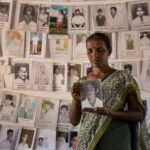


How do public awareness campaigns contribute to the support of victims of human rights abuses?
Public awareness campaigns play a crucial role in supporting victims of human rights abuses by creating a more informed and engaged society. Here’s how these campaigns contribute to the overall support for victims:
### 1. **Raising Awareness of Human Rights Issues**
– **Highlighting Specific Abuses**: Campaigns bring attention to particular cases of abuse, educating the public about the realities faced by victims and the broader context of human rights violations.
– **Informing the Community**: By disseminating information about human rights principles and the legal rights of victims, campaigns empower individuals to recognise abuses and advocate for change.
### 2. **Mobilising Community Support**
– **Encouraging Public Engagement**: Awareness campaigns often motivate community members to participate in advocacy efforts, such as protests, petitions, or support initiatives, creating a collective voice for change.
– **Building Solidarity**: By fostering a sense of shared responsibility, campaigns encourage community members to stand in solidarity with victims, reinforcing the notion that human rights are a collective concern.
### 3. **Influencing Public Opinion**
– **Changing Perceptions**: Campaigns can shift public perceptions about victims, helping to humanise their experiences and countering stigma or stereotypes that may exist.
– **Generating Empathy**: Through storytelling and personal accounts, campaigns evoke empathy and understanding, making it more likely that the public will support victims and demand justice.
### 4. **Advocating for Systemic Change**
– **Pressure on Authorities**: Increased public awareness can lead to greater pressure on government bodies and institutions to address human rights abuses, implement reforms, and ensure accountability.
– **Influencing Policy**: Campaigns may also influence policymakers to prioritize human rights legislation and protections, benefiting victims and the broader community.
### 5. **Providing Resources and Information**
– **Connecting Victims to Resources**: Public awareness campaigns often include information about available resources, such as legal aid, counselling, and support services, helping victims access the support they need.
– **Educating on Rights**: Campaigns educate victims about their rights and the avenues available for seeking justice, empowering them to take action.
### 6. **Creating Safe Spaces for Dialogue**
– **Facilitating Conversations**: Campaigns can create platforms for dialogue where victims, activists, and community members can discuss issues, share experiences, and brainstorm solutions.
– **Promoting Inclusivity**: By encouraging diverse voices to be heard, campaigns ensure that the perspectives of victims are included in discussions about human rights and justice.
### 7. **Engaging Media and Influencers**
– **Utilising Media Platforms**: Campaigns often collaborate with media outlets to amplify their message, reaching wider audiences and increasing visibility for victims’ issues.
– **Involving Influencers**: Engaging public figures and influencers can help draw attention to human rights abuses, leveraging their platforms to reach diverse demographics.
### Conclusion
Public awareness campaigns are essential in supporting victims of human rights abuses, as they educate the public, mobilise community support, and advocate for systemic change. By fostering empathy and understanding, these campaigns empower victims and create an environment conducive to justice and accountability. Ultimately, they help transform societal attitudes and drive collective action toward safeguarding human rights.