
How do protests like ‘Black Day for Tamil’ use social media to amplify their message?
Protests like ‘Black Day For Tamil’ effectively utilise social media to amplify their messages and reach broader audiences. Here’s how they do it:
### 1. **Real-Time Updates**
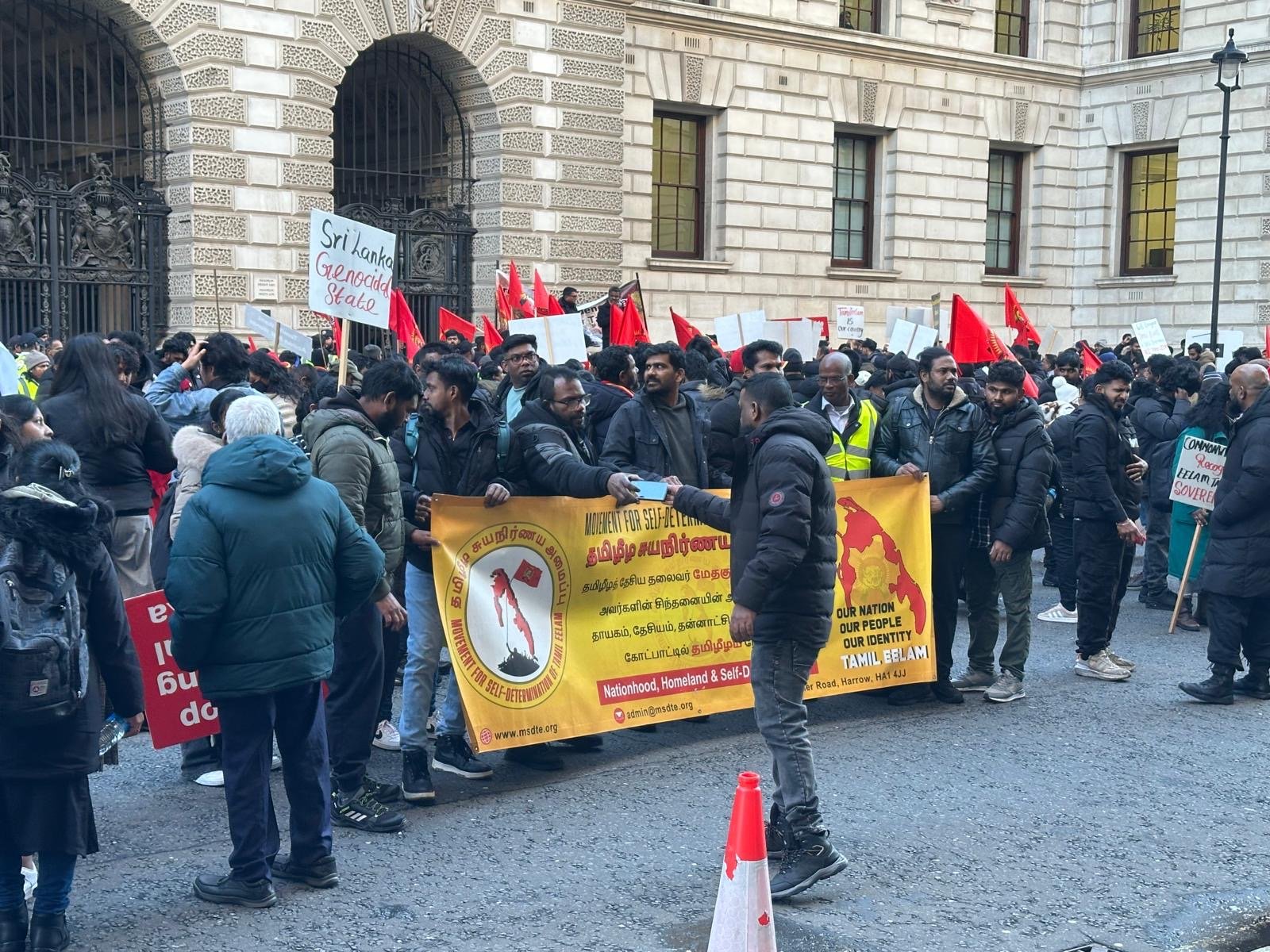
– **Live Coverage**: Organisers and participants often share live updates, photos, and videos during the protest, allowing those unable to attend to experience the event in real time.
– **Hashtags**: Specific hashtags (e.g., #BlackDay, #TamilsForJustice) help consolidate posts and make them easily searchable, increasing visibility.
### 2. **Visual Storytelling**
– **Images and Videos**: Sharing compelling visuals from the protest—such as banners, speeches, and crowds—can evoke emotional responses and draw in viewers who might not be familiar with the cause.
– **Infographics**: Educational graphics that highlight statistics, historical context, or personal stories can effectively convey complex information in an accessible format.
### 3. **Personal Narratives**
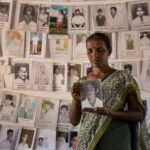
– **Storytelling**: Participants share personal experiences related to ethnic discrimination, making the issues more relatable. These stories humanise the cause and foster empathy among audiences.
– **Testimonies**: Videos or written posts featuring testimonies from affected individuals can be powerful tools for raising awareness and encouraging support.
### 4. **Engaging Content**
– **Polls and Questions**: Engaging followers with polls or questions can encourage interaction and keep the conversation going. This involvement helps maintain interest in the cause.
– **Memes and Creative Posts**: Using humour or creativity in posts can make the content shareable and engage a younger audience, increasing reach.
### 5. **Collaboration with Influencers**
– **Partnerships**: Collaborating with social media influencers or activists who have large followings can help extend the message to new audiences and increase credibility.
– **Guest Posts**: Inviting influential figures to share their thoughts or experiences can provide additional exposure and legitimacy to the cause.
### 6. **Global Outreach**
– **Cross-Platform Sharing**: Posts can be shared across multiple platforms (Twitter, Facebook, Instagram, TikTok) to maximise reach and engage different demographics.
– **International Solidarity**: Hashtags and posts can connect with similar movements worldwide, fostering a sense of global solidarity and awareness.
### 7. **Call to Action**
– **Mobilising Support**: Social media can be used to organise follow-up actions, such as petitions, letter-writing campaigns, or future protests, encouraging ongoing engagement and activism.
– **Fundraising**: Platforms enable fundraising efforts, which can support the cause and help cover costs associated with advocacy and awareness campaigns.
### 8. **Feedback and Dialogue**
– **Comments and Discussions**: Social media allows for direct interaction, enabling participants to engage in discussions, answer questions, and clarify misunderstandings about the protest and its goals.
– **Responsive Communication**: Quick responses to queries or comments can build a community and enhance support for the cause.
Through these strategies, protests like ‘Black Day’ harness the power of social media to effectively amplify their messages, engage Protests like ‘Black Day’ effectively utilise social media to amplify their messages and reach broader audiences.