
How did the Sinhala Only Act influence the political landscape and activism among Tamils in Sri Lanka?
The **Sinhala Only Act** of 1956 had profound effects on the political landscape and activism among Tamils in Sri Lanka, shaping their responses to national policies and inter-ethnic relations. Here’s how it influenced these areas:
### Political Landscape
1. **Formation of Political Parties**: The act led to the consolidation of Tamil political identity, resulting in the establishment of parties like the **Federal Party** (ITAK) and later the **Tamil United Liberation Front** (TULF), which explicitly advocated for Tamil rights and autonomy.
2. **Electoral Mobilisation**: Tamil politicians began to mobilise voters around issues of language and rights, leading to increased Tamil representation in the national parliament. This representation became a platform for voicing grievances and demanding autonomy.
3. **Shift in Alliances**: The act altered political alliances, with Tamil parties distancing themselves from Sinhalese parties. This shift contributed to the creation of ethnically based political blocs, complicating national politics.
4. **Increased Polarisation**: The act exacerbated ethnic divisions, making cooperation between Sinhalese and Tamil political entities more challenging. This polarisation entrenched the idea of ethnic politics in Sri Lanka.
### Activism Among Tamils
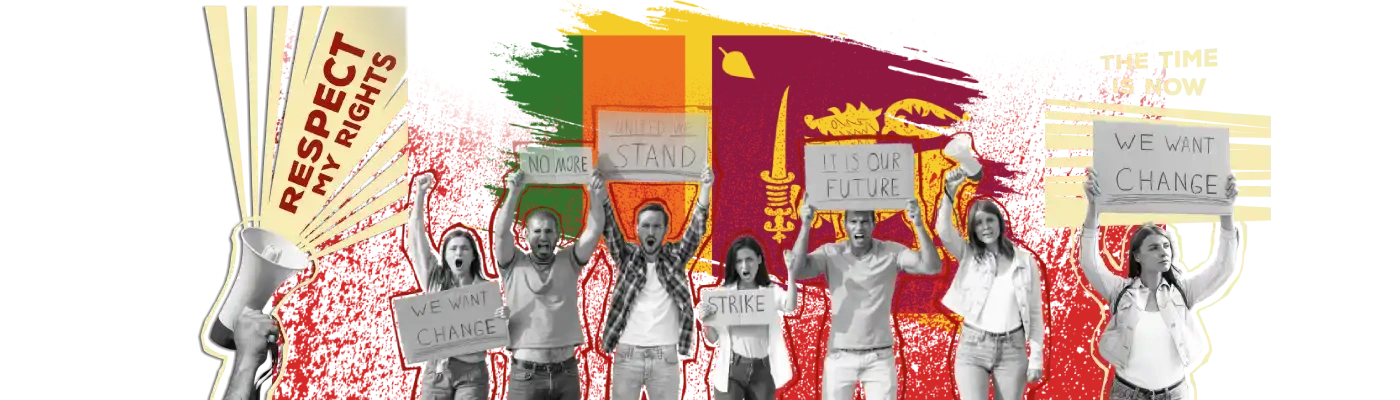
1. **Grassroots Movements**: The act galvanised grassroots activism among Tamils, leading to protests, strikes, and demonstrations that called for language rights and equitable treatment. These movements were often organised by youth and student groups.
2. **Cultural Revitalisation**: Activism extended beyond political rights to cultural preservation. Tamils began to celebrate their language and heritage more vigorously, fostering a sense of pride and community.
3. **Emergence of Militant Groups**: Frustration over the ineffectiveness of peaceful political means led to the rise of militant organisations, most notably the **LTTE**, which sought to achieve Tamil self-determination through armed struggle.
4. **International Advocacy**: The plight of Tamils gained international attention, with activists reaching out to the global community. This led to increased awareness of human rights abuses against Tamils in Sri Lanka.
5. **Formation of Alliances**: Tamil activism also saw the formation of alliances with other minority communities in Sri Lanka, such as Muslims and Burghers, to address common grievances and advocate for shared rights.
### Conclusion
The Sinhala Only Act fundamentally reshaped Tamil political identity and activism, driving the community toward a more organised and assertive pursuit of rights and autonomy. Its legacy continues to influence Sri Lankan politics and ethnic relations to this day, underpinning ongoing discussions about reconciliation and justice.