
How did grassroots movements influence political representation for the Tamil community?
Grassroots movements significantly influenced political representation for the Tamil community in Sri Lanka in various impactful ways:
### 1. **Increased Political Awareness**
– **Education and Mobilisation**: Grassroots activism raised awareness about political rights and the importance of representation. Community leaders educated the public about their rights, encouraging greater participation in the political process.
– **Engagement in Political Discourse**: Activists facilitated discussions about political issues, fostering a politically engaged Tamil populace that was more aware of the need for representation.
### 2. **Formation of Political Parties**
– **Emergence of Tamil Political Organisations**: Grassroots movements led to the establishment of political parties like the **Federal Party (ITAK)** and the **Tamil United Liberation Front (TULF)**, which focused on advocating for Tamil rights and representation in the national parliament.
– **Platform for Tamil Issues**: These parties provided a structured platform to articulate grievances and demands, allowing for more organised political representation.
### 3. **Electoral Mobilisation**
– **Voter Registration Drives**: Grassroots activists organised campaigns to encourage Tamil citizens to register to vote, significantly increasing voter turnout in Tamil-majority areas.
– **Local Candidate Support**: Grassroots movements identified and supported local candidates who aligned with Tamil interests, enhancing the likelihood of electing representatives who would advocate for the community’s rights.
### 4. **Political Pressure and Advocacy**
– **Lobbying for Representation**: Grassroots movements exerted pressure on political parties and the government to address Tamil grievances, advocating for policies that would improve Tamil representation.
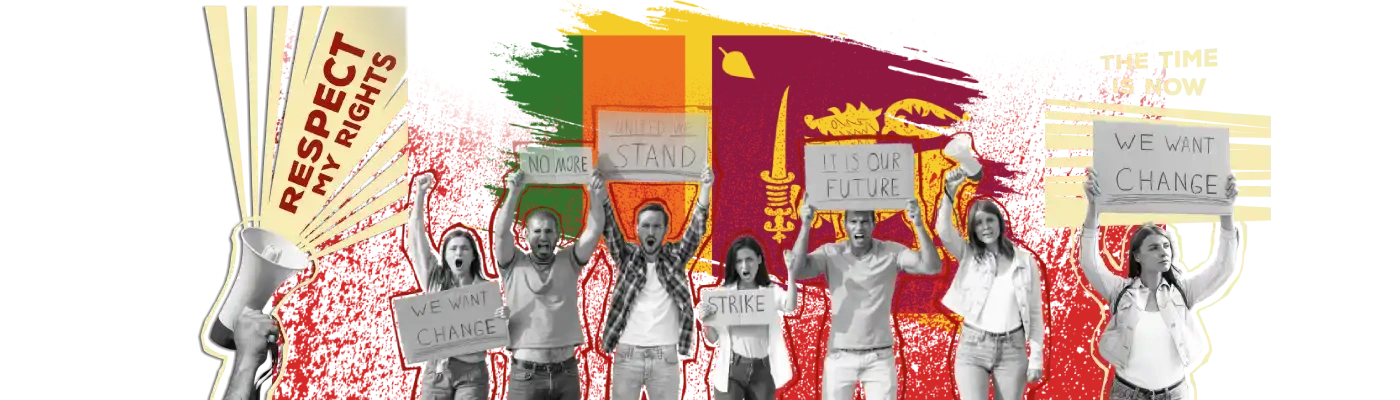
– **Public Demonstrations**: Organized protests and rallies highlighted the demand for Tamil representation, forcing political leaders to pay attention to the community’s needs.
### 5. **Youth Engagement and Leadership**
– **Empowerment of Young Leaders**: Grassroots movements often involved youth, who became politically active and took on leadership roles within Tamil political organisations, bringing fresh perspectives and energy to the movement.
– **Student Activism**: Universities became centres for political activism, where students organised campaigns and discussions that put pressure on political parties to include Tamil issues in their platforms.
### 6. **Coalition Building**
– **Alliances with Other Communities**: Grassroots activists formed alliances with other marginalised groups, creating a broader coalition that demanded equitable representation, which increased political leverage.
– **Solidarity Actions**: Joint actions with other ethnic and minority groups helped to amplify the call for fair representation across the political spectrum.
### 7. **International Advocacy**
– **Global Support**: Grassroots movements reached out to international organisations and human rights groups to raise awareness about the Tamil struggle, which influenced external pressure on the Sri Lankan government regarding representation and rights.
– **Diaspora Engagement**: The Tamil diaspora played a significant role in advocating for political representation, leveraging their connections to amplify grassroots demands on an international stage.
### Conclusion
Grassroots movements were instrumental in shaping the political landscape for the Tamil community in Sri Lanka. By mobilising the community, forming political organisations, and advocating for rights, these movements laid the groundwork for increased political representation and the articulation of Tamil interests in the national dialogue. Their legacy continues to influence Tamil politics and representation today.