
How can multimedia campaigns enhance awareness of human rights issues?
Multimedia campaigns play a significant role in enhancing awareness of human rights issues by leveraging a variety of formats and platforms to engage audiences effectively. Here’s how they achieve this:
### 1. **Diverse Formats**
– **Videos and Documentaries**: Visual storytelling through short films or documentaries can illustrate human rights abuses in compelling ways, making complex issues more digestible.
– **Podcasts**: Audio content allows for in-depth discussions, interviews, and storytelling, reaching audiences who may prefer listening over reading.
### 2. **Engagement through Visuals**
– **Infographics**: These visually appealing graphics can simplify data and statistics related to human rights issues, making them easier to understand and share.
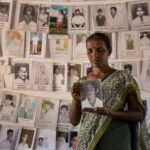
– **Photography**: Powerful images of affected individuals or communities can evoke empathy and draw attention to the realities of human rights violations.
### 3. **Social Media Integration**
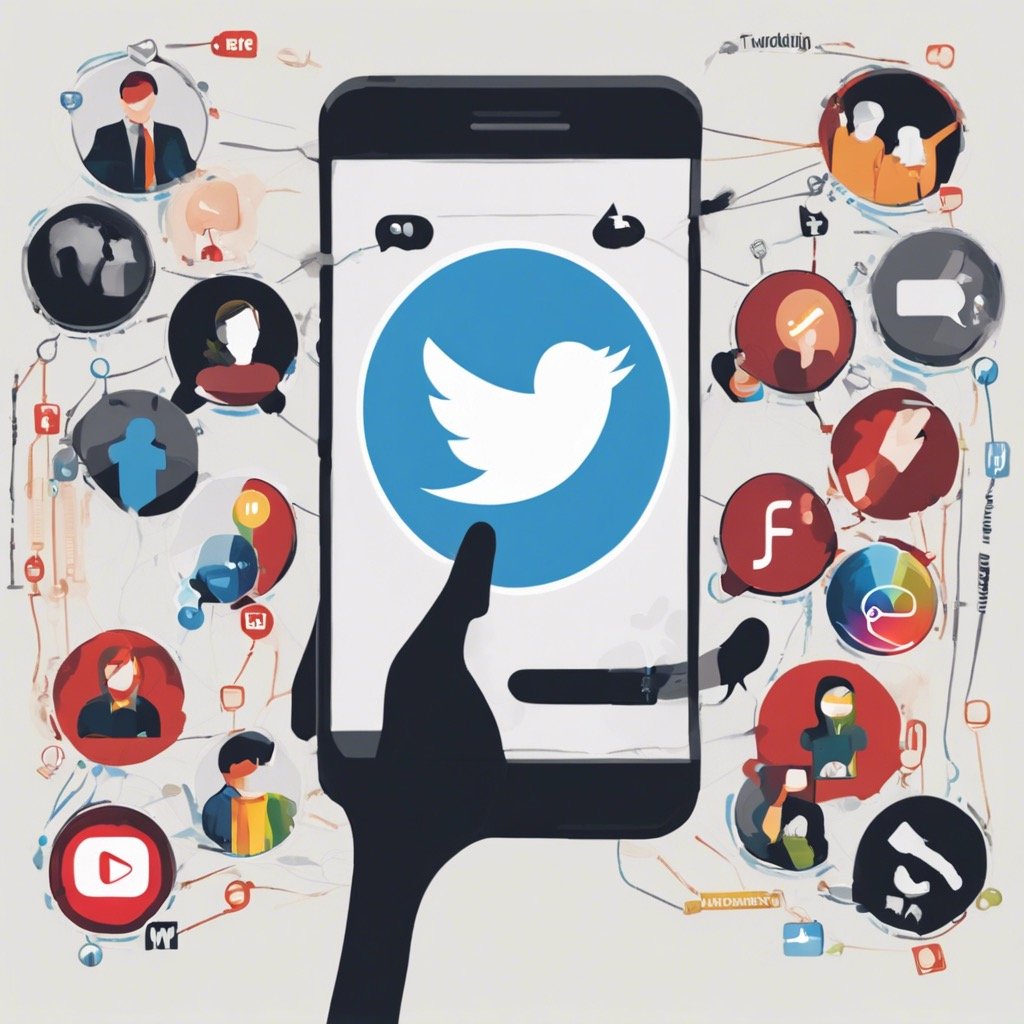
– **Shareable Content**: Multimedia campaigns create content that is easy to share on social media platforms, increasing reach and engagement.
– **Hashtag Campaigns**: Utilizing specific hashtags encourages users to participate in the conversation, expanding visibility and fostering community discussions.
### 4. **Interactive Elements**
– **Virtual Reality (VR)**: Immersive experiences can transport users into real-world scenarios related to human rights issues, creating a profound emotional impact.
– **Interactive Websites**: Online platforms that allow users to explore stories, statistics, and resources provide an engaging learning experience.
### 5. **Emotional Resonance**
– **Narrative Techniques**: Combining visuals, sound, and personal stories can create a powerful narrative that resonates emotionally with audiences, encouraging them to care about the issues.
– **Music and Soundscapes**: Incorporating music or sound effects can enhance storytelling, making the message more memorable and impactful.
### 6. **Broad Reach**
– **Global Accessibility**: Multimedia content can be distributed widely across various platforms, reaching diverse audiences worldwide, including those who may not have access to traditional media.
– **Multilingual Content**: By providing content in multiple languages, campaigns can engage a broader demographic and ensure inclusivity.
### 7. **Encouraging Action**
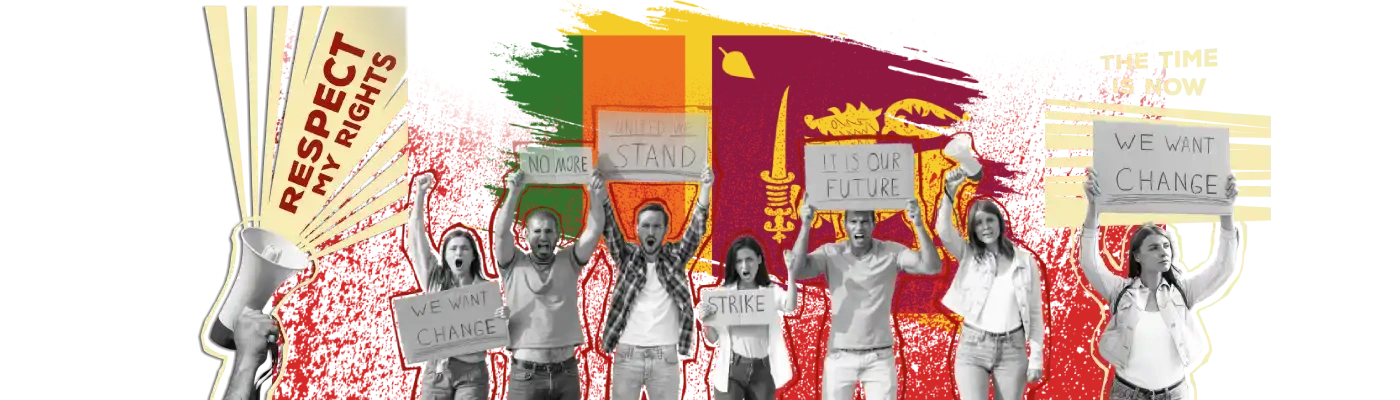
– **Call-to-Action Elements**: Multimedia campaigns can effectively incorporate calls to action, directing audiences on how to get involved, whether through petitions, donations, or advocacy.
– **Engagement Tools**: Interactive elements, such as quizzes or surveys, can encourage users to reflect on their knowledge of human rights issues and inspire them to take action.
### 8. **Building Community**
– **Fostering Discussions**: Multimedia platforms can create spaces for dialogue, where individuals can share their thoughts and experiences related to human rights issues.
– **Collaborative Projects**: Encouraging user-generated content, such as sharing personal stories or art, can strengthen community connections and broaden the campaign’s reach.
### Conclusion
Multimedia campaigns enhance awareness of human rights issues by utilising diverse formats, engaging visuals, and emotional storytelling. By leveraging social media and interactive elements, these campaigns reach broader audiences and encourage participation, ultimately fostering a deeper understanding and commitment to human rights advocacy. Through creative engagement, they pave the way for increased awareness and action on critical human rights issues.