
How can campaigns create pressure for governmental accountability regarding human rights?
Campaigns can create effective pressure for governmental accountability regarding human rights through several strategic approaches. Here’s how they achieve this:
### 1. **Raising Awareness**
– **Highlighting Specific Issues**: Campaigns focus on specific human rights violations, bringing them to public attention and making it harder for governments to ignore these problems.
– **Educating the Public**: By informing citizens about human rights issues, campaigns mobilise public opinion and foster a culture of awareness and advocacy.
### 2. **Mobilising Public Support**
– **Building Grassroots Movements**: Campaigns often engage communities, creating grassroots movements that demonstrate widespread concern for human rights issues.
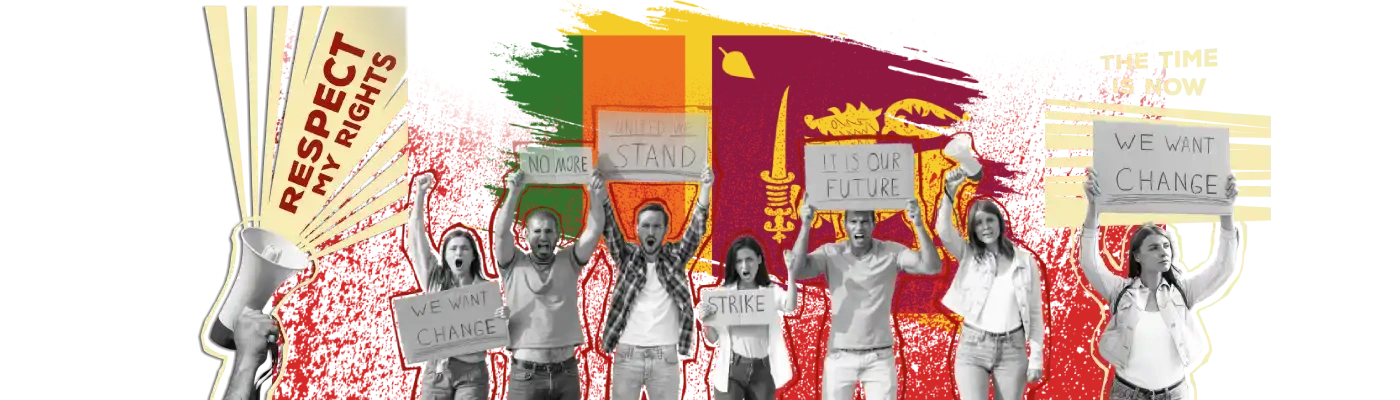
– **Organising Protests and Demonstrations**: Public demonstrations can visibly show government officials that there is significant public discontent regarding human rights violations, demanding accountability.
### 3. **Utilising Media and Communication**
– **Engaging Traditional and Social Media**: Campaigns leverage media coverage to amplify their messages, attracting attention from journalists, thereby increasing public scrutiny of government actions.
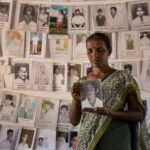
– **Storytelling**: Personal narratives and testimonies from victims create emotional resonance, making it more difficult for governments to dismiss or downplay human rights abuses.
### 4. **Advocacy and Lobbying**
– **Direct Engagement with Policymakers**: Campaigns often involve lobbying efforts, where advocates meet with lawmakers to discuss human rights issues and push for accountability measures.
– **Petitions and Mobilisation**: Gathering signatures for petitions can demonstrate widespread support for accountability, pressuring government officials to take action.
### 5. **Documentation and Reporting**
– **Collecting Evidence**: Campaigns document human rights abuses through reports, testimonies, and investigations, providing concrete evidence that can be used to hold governments accountable.
– **Submissions to International Bodies**: Organisations may submit findings to international human rights organisations, creating external pressure on governments to adhere to human rights standards.
### 6. **Building Coalitions**
– **Forming Alliances**: Collaborating with other NGOs, community groups, and international organisations strengthens the campaign’s voice and impact, amplifying demands for accountability.
– **Cross-Sector Collaboration**: Engaging with various sectors, including legal, academic, and health, broadens the campaign’s reach and influence.
### 7. **Engaging International Support**
– **Mobilising Global Attention**: Campaigns that attract international media or support from foreign governments can increase pressure on national governments to adhere to human rights norms.
– **Utilising International Mechanisms**: Campaigns can engage with international human rights mechanisms, such as the UN, to report abuses and call for accountability, placing external pressure on governments.
### 8. **Creating a Culture of Accountability**
– **Encouraging Transparency**: Campaigns can push for laws and policies that promote transparency in government actions, making it harder for abuses to go unnoticed or unpunished.
– **Establishing Monitoring Mechanisms**: Advocating for independent bodies to monitor human rights practices ensures ongoing scrutiny of government actions.
### 9. **Long-Term Advocacy**
– **Sustained Pressure**: Continuous campaigning keeps human rights issues in the public eye, ensuring that governments remain accountable over time rather than allowing issues to fade from attention.
– **Promoting Legislative Change**: Advocacy can lead to the introduction of new laws or reforms aimed at preventing human rights abuses and holding perpetrators accountable.
### Conclusion
Campaigns play a vital role in creating pressure for governmental accountability regarding human rights. Through awareness-raising, public mobilisation, advocacy, and collaboration, they not only highlight abuses but also demand systemic changes to ensure accountability and protect human rights. This multifaceted approach fosters a culture of accountability, making it increasingly difficult for governments to disregard their obligations.