
Community organisations played a pivotal role in mobilising collective action among Tamils regarding their political rights in Sri Lanka. Here are several key functions they served:
1. Advocacy and Representation
- Voicing Grievances: Community organizations served as platforms for articulating the specific grievances of the Tamil community, including issues related to language, education, and political representation.
- Political Lobbying: They engaged with political leaders and institutions to advocate for Tamil rights, pushing for policies that would address the community’s needs and concerns.
2. Mobilization of Resources
- Fundraising and Support: Organizations helped mobilize financial and human resources for campaigns, protests, and educational initiatives, ensuring that collective actions were well-supported.
- Logistical Coordination: They organized events, rallies, and meetings, providing the necessary infrastructure for effective mobilization and engagement.
3. Community Education and Awareness
- Workshops and Training: Community organizations conducted workshops to educate members about their rights, the political system, and the importance of participation, enhancing political literacy within the community.
- Cultural Programs: Initiatives aimed at preserving and promoting Tamil culture helped foster a sense of identity and unity, strengthening the community’s resolve to advocate for their rights.
4. Youth Engagement
- Involvement of Young People: Many organizations focused on engaging youth, encouraging them to take active roles in advocacy and activism, which helped to instill a sense of responsibility and urgency regarding political issues.
- Leadership Development: Programs aimed at developing leadership skills among young Tamils prepared them to take on significant roles within both the community and political organizations.
5. Solidarity and Unity
- Building Coalitions: Community organizations often collaborated with other minority groups, creating a united front to address common grievances and advocate for equitable rights, thereby amplifying their collective voice.
- Fostering Unity: By bringing together diverse segments of the Tamil community, organizations helped to cultivate a sense of solidarity, reinforcing the idea that collective action was essential for achieving political rights.
6. Networking and Collaboration
- Connecting Activists: Organizations provided a network for activists, enabling them to share strategies, resources, and experiences, thereby enhancing the effectiveness of collective actions.
- Partnerships with NGOs: Many community organizations collaborated with non-governmental organizations and international bodies, increasing their capacity to advocate for Tamil rights on a broader scale.
7. Crisis Response and Mobilization
- Rapid Response to Incidents: Community organizations were instrumental in mobilizing collective action in response to specific incidents of injustice or discrimination against Tamils, organizing protests and campaigns to raise awareness.
- Support During Conflicts: During periods of heightened ethnic tension or violence, organizations provided support to affected individuals and families, helping to maintain community cohesion and resilience.
Conclusion
Community organizations were essential in mobilizing collective action among Tamils regarding their political rights. By advocating for grievances, educating the community, and fostering solidarity, they empowered Tamil citizens to engage actively in the political process. Their efforts significantly contributed to the broader Tamil nationalist movement and the quest for political representation and justice.
Community organisations in Sri Lanka played a crucial role in articulating various grievances for the Tamil community, particularly in response to policies and practices that marginalised their rights and identity. Here are some specific grievances they highlighted:
### 1. **Language Rights**
– **Marginalisation of Tamil Language**: The Sinhala Only Act of 1956 effectively sidelined Tamil as an official language, limiting access to government services for Tamil speakers and undermining their linguistic rights.
– **Discrimination in Education and Employment**: The lack of Tamil language options in schools and public sector jobs created barriers for Tamil individuals, affecting their educational and professional opportunities.
### 2. **Political Representation**
– **Underrepresentation in Government**: Community organisations emphasised the inadequate representation of Tamils in national and local government bodies, advocating for more equitable electoral practices and political inclusion.
– **Concentration of Power**: They highlighted how political power was disproportionately held by Sinhalese politicians, often at the expense of Tamil interests.
### 3. **Cultural Identity**
– **Threats to Cultural Heritage**: Organisations articulated concerns about the erosion of Tamil culture, language, and traditions due to state policies favouring Sinhalese culture, emphasising the need for cultural preservation.
– **Promotion of Sinhalese Nationalism**: The rise of Sinhalese nationalism was seen as a direct threat to Tamil identity, leading to demands for recognition and respect for Tamil heritage.
### 4. **Economic Inequality**
– **Disparities in Development**: Community organisations pointed to economic disparities between Tamil-majority regions and Sinhalese-majority areas, advocating for equitable development and resource allocation.
– **Displacement and Land Rights**: Issues related to land rights, particularly in the context of post-war resettlement and displacement, were significant grievances, with organisations fighting for the rights of displaced Tamils.
### 5. **Human Rights Violations**
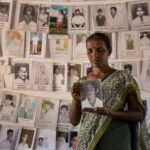
– **Abuses During the Civil War**: Organisations documented and brought attention to human rights abuses committed during the civil conflict, including extrajudicial killings, disappearances, and torture of Tamils.
– **Post-war Marginalisation**: Even after the end of the civil war in 2009, Tamil organisations raised concerns about ongoing military presence in Tamil areas and the lack of accountability for past abuses.
### 6. **Access to Justice**
– **Limited Legal Recourse**: Community organisations highlighted the barriers Tamils faced in accessing justice, including bias within judicial systems and the lack of legal representation.
– **Impunity for Crimes Against Tamils**: They addressed the issue of impunity for crimes committed against Tamils, advocating for accountability and justice for victims of violence.
### 7. **Educational Disparities**
– **Inequities in Schooling**: Organisations raised concerns about the quality of education in Tamil-majority areas, including inadequate resources and facilities compared to those in Sinhalese-majority regions.
– **Access to Higher Education**: There were grievances about limited access to higher education opportunities for Tamil students, which affected their future prospects.
### Conclusion
Community organisations were instrumental in articulating these grievances, providing a structured voice for the Tamil community, and mobilising collective action to address these issues. Their efforts significantly contributed to raising awareness both nationally and internationally about the challenges faced by Tamils in Sri Lanka, advocating for rights and justice.