

How did the commemoration practices for Maaveerar Naal evolve over the years?
Maaveerar Naal began as an **LTTE-organised memorial** in 1989 and developed into a more elaborate annual observance.
– **Early years:** Ceremonies were held at local burial grounds, with families and supporters paying tribute to fallen LTTE members.
– **Expansion:** The LTTE established *thuyilum illam* (resting places) and held coordinated events across areas under its control. Ceremonies came to include flags, speeches, poems, songs, and the lighting of lamps.
– **After the war ended in 2009:** Many memorial sites were destroyed or restricted in government-controlled areas. Commemorations continued in private, through family remembrance, and at diaspora events abroad.
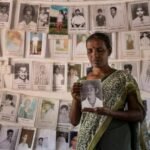
– **Recent years:** In parts of Sri Lanka, public observances have reappeared, often centred on lighting lamps, laying flowers, and observing silence. Their form and visibility vary with local conditions and restrictions.
The day remains politically sensitive: for some it honours the dead and enables collective mourning; for others, its LTTE associations make public commemoration contentious.