
Minority human rights in Sri Lanka
Minority human rights in Sri Lanka have been a significant issue, particularly concerning ethnic and religious minorities such as Tamils, Muslims, and Christians. The situation has been shaped by decades of civil conflict, political dynamics, and social tensions. Here’s an overview:
### Historical Context
– **Civil War**: The civil war (1983-2009) primarily involved the Tamil minority fighting for greater autonomy, leading to significant human rights abuses on both sides.
– **Post-War Environment**: After the war, there have been ongoing concerns regarding the treatment of Tamils, particularly in the Northern and Eastern provinces.
### Key Issues
1. **Ethnic Minorities**
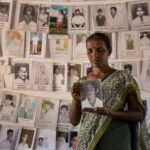
– **Tamils**: Often face discrimination and are seeking justice for wartime atrocities. Issues include land dispossession and military presence in the Northern provinces.
– **Muslims**: Have faced violence and discrimination, particularly after the Easter Sunday attacks in 2019, which led to increased anti-Muslim sentiment.
– **Sinhalese Buddhists**: As the majority, they often dominate political discourse, leading to the marginalisation of minorities.
2. **Religious Freedom**
– While the Constitution provides for freedom of religion, there have been reports of harassment and violence against non-Buddhist communities.
– Instances of forced conversions and destruction of religious sites have been reported.
3. **Land Rights**
– Displacement of Tamil families from their homes during the civil war remains unresolved. Many continue to seek restitution and return to their ancestral lands.
4. **Political Representation**
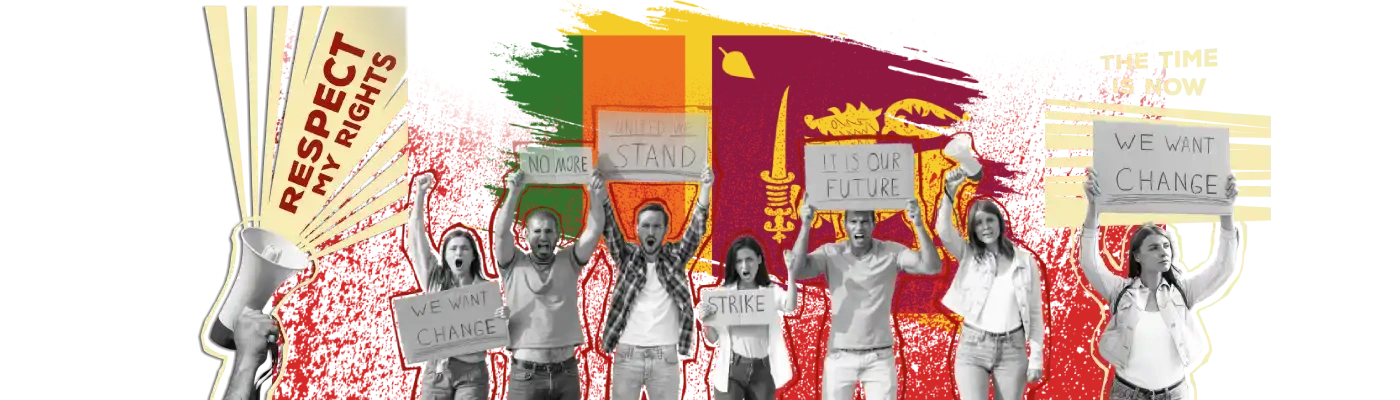
– Minorities often feel underrepresented in government and political processes. There is a call for more inclusive governance that reflects the country’s diversity.
5. **Discrimination and Violence**
– Reports of hate speech, mob violence against minorities, and discriminatory policies have increased tensions in society.
### International Response
– **UN Involvement**: Various UN resolutions have called for accountability and respect for minority rights in Sri Lanka.
– **NGOs and Advocacy Groups**: Numerous organisations work to highlight human rights abuses and advocate for the rights of minorities.
### Current Developments
– Efforts for reconciliation and accountability for past injustices remain ongoing, though progress has been slow.
– The political landscape continues to evolve, with potential for both improvement and setbacks in minority rights.
Understanding these dynamics is crucial for addressing the ongoing issues and fostering a more inclusive society in Sri Lanka.