
Black July
**Black July** refers to a series of violent riots that occurred in Sri Lanka from July 23 to July 27, 1983, targeting the Tamil ethnic minority. This tragic event marked a significant escalation in the ethnic conflict between the Sinhalese majority and the Tamil minority, leading to a prolonged civil war. Here’s a detailed overview of the events and their implications:
### Background
– **Ethnic Tensions:** Sri Lanka’s civil conflict has roots in ethnic tensions between the Sinhalese and Tamils. The Sinhalese majority gained political power after independence in 1948, leading to policies that marginalised Tamils, such as the “Sinhala Only Act” of 1956, which made Sinhala the official language.
– **Formation of Armed Groups:** In response to discrimination and violence, Tamil militant groups, including the Liberation Tigers of Tamil Eelam (LTTE), emerged, advocating for an independent Tamil Eelam.
### Events of Black July
– **Triggering Incident:** The riots were reportedly triggered by the killing of 13 Sri Lankan soldiers in an ambush by the LTTE. The government’s response was perceived as ineffective, leading to public outrage.
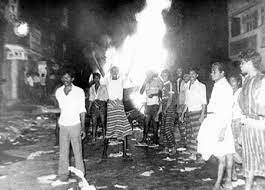
– **Outbreak of Violence:** Over the course of several days, mobs attacked Tamil homes, businesses, and places of worship across the country, particularly in Colombo. The violence was marked by arson, looting, and murder.
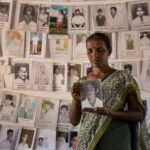
– **Casualties and Displacement:** Estimates of casualties vary, but it is believed that hundreds of Tamils were killed, and thousands were displaced. Thousands of Tamil people fled to refugee camps or sought asylum in other countries.
### Consequences
– **Escalation of the Civil War:** The violence of Black July intensified the conflict, leading to increased recruitment for the LTTE and other Tamil militant groups. It marked a turning point in the Sri Lankan civil war, which lasted until 2009.
– **International Response:** The events drew international condemnation and led to increased scrutiny of the Sri Lankan government’s handling of ethnic relations and human rights issues.
– **Long-Term Impact on Tamil Identity:** Black July became a symbol of Tamil suffering and resilience, solidifying a collective identity among Tamils in Sri Lanka and the diaspora. It is commemorated annually, reminding communities of the violence and discrimination faced.
### Media Framing and Public Perception
– **Narrative Formation:** Media coverage of Black July played a significant role in shaping public perceptions of the conflict. The framing of the riots as a spontaneous reaction to Tamil militancy influenced both local and international narratives.
– **Polarisation of Ethnic Relations:** The portrayal of the events often reinforced existing ethnic divisions, with narratives that either demonised the Sinhalese majority or portrayed the Tamils solely as victims, complicating efforts for reconciliation.
### Legacy
– **Continued Tensions:** The legacy of Black July continues to affect ethnic relations in Sri Lanka. It serves as a reminder of the deep-seated issues that need to be addressed for sustainable peace.
– **Reconciliation Efforts:** Post-civil war, efforts for reconciliation and addressing grievances have been ongoing, but challenges remain due to mistrust and differing narratives among communities.
In summary, Black July is a pivotal event in Sri Lanka’s history, representing a turning point in the ethnic conflict that escalated into a prolonged civil war.