
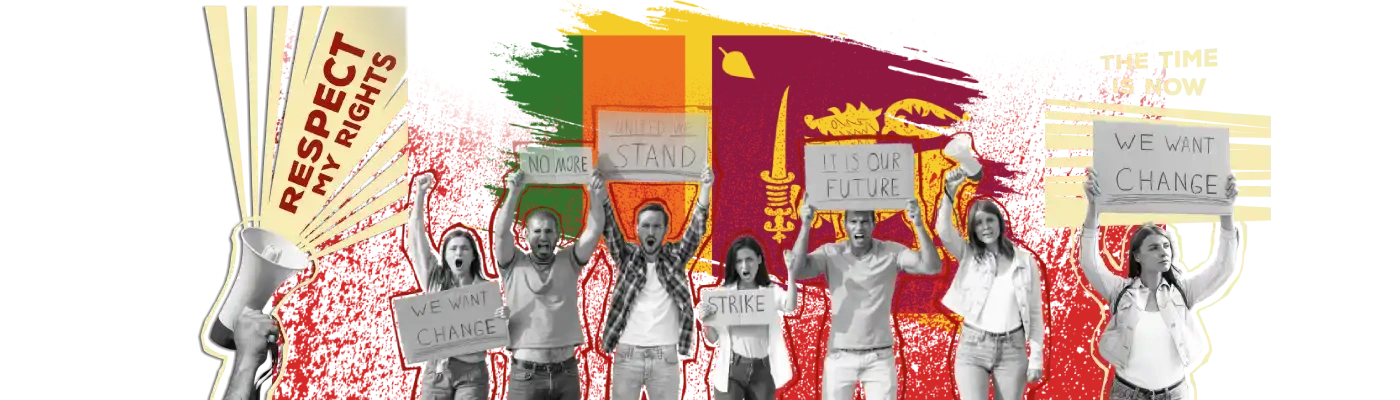

What impact do dramatic visuals in media have on public perception of conflicts?
Dramatic visuals in media have a profound impact on public perception of conflicts, often shaping emotions, attitudes, and responses. Here’s an exploration of their effects:
### 1. **Emotional Engagement**
– **Eliciting Strong Reactions:** Compelling images—such as scenes of violence, suffering, or heroism—can evoke strong emotional responses, including empathy, fear, or outrage. These emotions can significantly influence how people perceive the conflict and the parties involved.
– **Fostering Sympathy:** Visuals depicting the human impact of conflict, such as displaced families or injured civilians, can create sympathy for affected populations, shaping public attitudes toward humanitarian aid or intervention.
### 2. **Simplifying Complex Issues**
– **Reduction of Context:** Dramatic visuals often focus on specific moments rather than the broader context, leading to simplified narratives. This can result in misunderstandings about the underlying causes and complexities of the conflict.
– **Binary Framing:** Images can reinforce binary narratives (good vs. evil), making it easier for audiences to categorise groups without understanding the nuances of their motivations and actions.
### 3. **Influencing Perceptions of Key Players**
– **Characterisation of Actors:** The portrayal of key players through visuals can shape public perceptions. For example, images of armed groups can evoke fear, while visuals of civilians can humanise them, affecting how audiences view their legitimacy.
– **Demonisation or Heroisation:** Dramatic visuals can lead to the denomination of one side and the heroization of another, influencing public support and attitudes toward military interventions or policy decisions.
### 4. **Creating a Sense of Urgency**
– **Prompting Immediate Responses:** Powerful visuals can create a sense of urgency, compelling audiences to react quickly, whether through advocacy, donations, or support for governmental action. This can pressure policymakers to act swiftly in response to public sentiment.
– **Raising Awareness:** Dramatic images can bring attention to underreported conflicts, raising awareness and prompting discussions that may not occur without such visuals.
### 5. **Shaping Collective Memory**
– **Enduring Impressions:** Dramatic visuals often leave lasting impressions, influencing how conflicts are remembered over time. Iconic images can become symbols of the conflict, shaping cultural narratives and collective memory.
– **Framing Historical Narratives:** The visuals that dominate media coverage can influence how future generations understand and interpret conflicts, affecting historical narratives and societal attitudes.
### 6. **Encouraging Polarisation**
– **Reinforcing Stereotypes:** Images that depict one side as brutal or inhumane can reinforce existing stereotypes, leading to polarised views and reducing the likelihood of dialogue or reconciliation.
– **Creating Divisive Narratives:** Dramatic visuals can contribute to divisive narratives that frame the conflict in stark terms, hindering understanding and promoting animosity between groups.
### 7. **Impact on Policy and Action**
– **Influencing Political Decisions:** Dramatic visuals can shape political discourse and influence policymakers by creating public pressure to respond to humanitarian crises or perceived threats.
– **Guiding Media Coverage:** The types of visuals that receive the most attention can guide future media coverage, leading to a cycle where only certain narratives are highlighted while others are ignored.
### 8. **Potential for Desensitisation**
– **Normalisation of Violence:** Repeated exposure to dramatic visuals of conflict can lead to desensitisation, where audiences become numb to the suffering depicted, potentially reducing empathy and engagement over time.
– **Shifting Focus:** Continuous exposure to violent imagery may shift public focus away from the underlying issues, leading to a superficial understanding of the conflict.
In summary, dramatic visuals in media significantly impact public perception of conflicts by eliciting emotional responses, simplifying complex issues, influencing perceptions of key players, and shaping collective memory. Understanding these effects is essential for critically engaging with media narratives and fostering informed public discourse.