
How can community bonds and activism serve as positive coping mechanisms in the face of trauma and militarisation?
Community bonds and activism can play vital roles as positive coping mechanisms for individuals facing trauma and militarisation, particularly within the Tamil population in Sri Lanka. Here’s how these elements contribute to resilience and healing:
### 1. **Strengthening Social Support Networks**
– **Shared Experiences**: Coming together to share experiences of trauma fosters a sense of understanding and solidarity, reducing feelings of isolation.
– **Mutual Aid**: Communities often establish support systems that provide practical help, emotional support, and resources for those in need, enhancing resilience.
### 2. **Cultural Preservation and Identity**
– **Collective Cultural Activities**: Engaging in cultural events and practices reinforces a shared identity, helping individuals reconnect with their heritage and instilling pride.
– **Strengthening Identity**: Celebrating cultural traditions can counteract feelings of loss and disconnection caused by militarisation, promoting a positive sense of self.
### 3. **Empowerment through Activism**
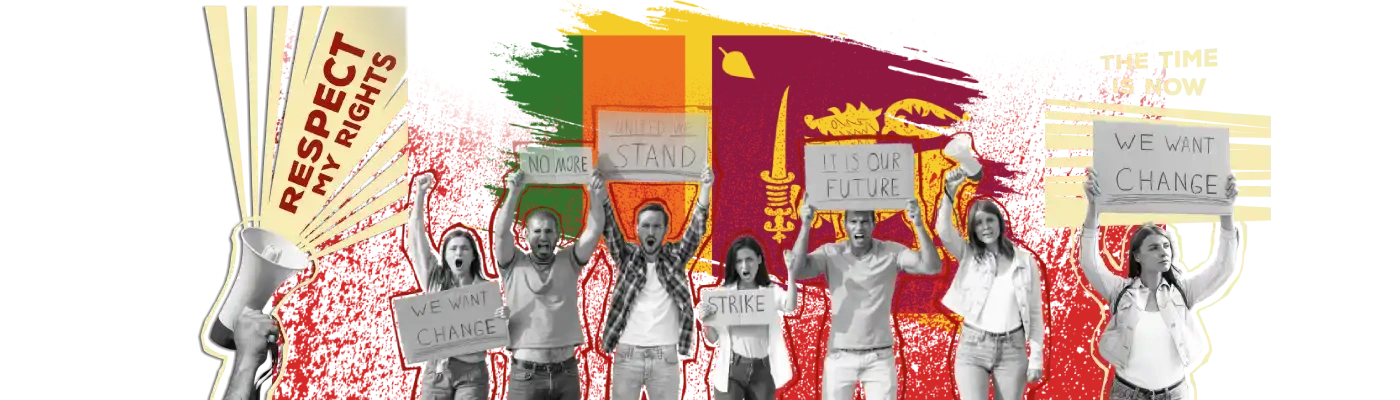
– **Voice and Agency**: Activism allows individuals to reclaim their agency and voice, transforming feelings of helplessness into action and purpose.
– **Raising Awareness**: Advocacy efforts can bring attention to injustices faced by the community, fostering a sense of purpose and collective mission.
### 4. **Psychological Healing through Expression**
– **Art and Expression**: Creative forms of activism, such as art, music, and writing, provide outlets for expressing trauma and processing emotions, facilitating healing.
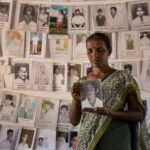
– **Storytelling**: Sharing personal stories within the community can validate individual experiences, promote empathy, and encourage collective healing.
### 5. **Building Resilience**
– **Collective Strength**: Working together for a common cause can foster resilience, as individuals draw strength from each other and develop coping strategies.
– **Problem-Solving Skills**: Engaging in activism helps individuals develop skills in advocacy, negotiation, and organisation, enhancing their ability to navigate challenges.
### 6. **Creating Safe Spaces**
– **Supportive Environments**: Community gatherings and activist groups provide safe spaces where individuals can express their thoughts and feelings without fear of repression.
– **Mental Health Initiatives**: Communities may implement mental health programs that address trauma collectively, facilitating healing and recovery.
### 7. **Intergenerational Connections**
– **Passing Down Resilience**: Involvement in community activities fosters intergenerational connections, allowing older generations to share their knowledge and coping strategies with youth.
– **Youth Empowerment**: Engaging younger community members in activism helps build a sense of responsibility and resilience, ensuring that they feel connected to their heritage.
### 8. **Fostering Hope and Future Vision**
– **Collective Goals**: Working towards common goals in activism can instil hope for a better future, motivating individuals to envision positive outcomes despite current hardships.
– **Community Vision**: Collaborative efforts to address issues can strengthen community vision and aspirations, reinforcing the belief in the possibility of change.
By nurturing community bonds and engaging in activism, the Tamil population can create pathways for collective healing and resilience, transforming trauma into a source of strength and purpose.