
What are some key challenges to freedom of expression identified in Sri Lanka?
In Sri Lanka, several key challenges to freedom of expression have been identified, particularly in recent years amid political instability and social unrest. Here are the most significant challenges:
1. **Government Censorship**
– **Media Control**: The government has exerted control over media outlets, leading to censorship of critical reporting, particularly on issues related to politics and human rights.
– **Legislation**: Laws such as the Prevention of Terrorism Act and other regulations have been used to stifle dissent and limit freedom of expression.
2. **Intimidation and Harassment of Journalists**
– **Threats and Violence**: Journalists reporting on sensitive topics have faced threats, harassment, and violence, creating a climate of fear that hinders investigative reporting.
– **Arrests and Legal Action**: Many journalists have been arrested or faced legal repercussions for their work, discouraging others from reporting on controversial issues.
3. **Suppression of Dissenting Voices**
– **Political Repression**: Activists, political opponents, and ordinary citizens expressing dissenting opinions have been targeted, leading to arbitrary arrests and detentions.
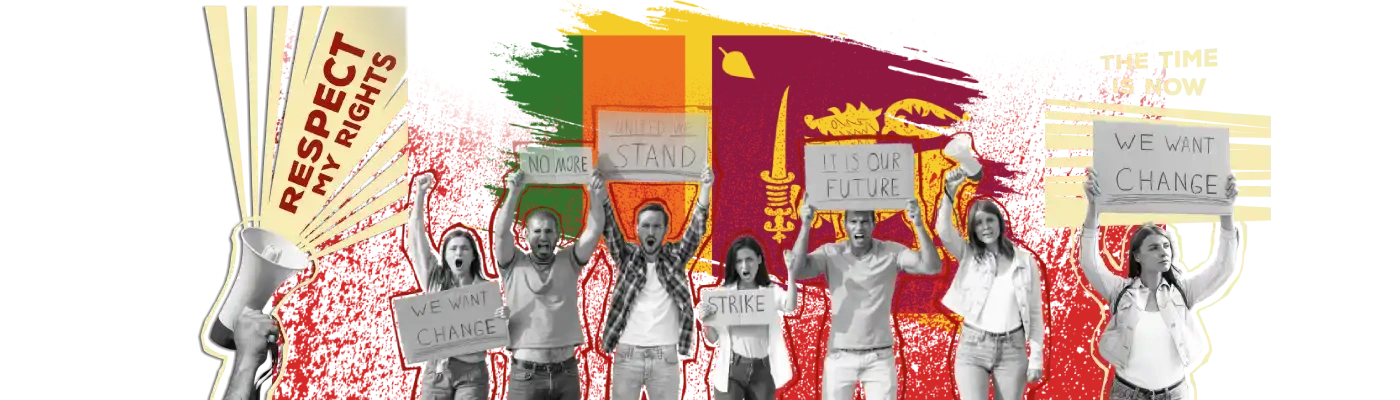
– **Public Protests**: Authorities have cracked down on peaceful protests, employing excessive force or imposing restrictions that limit the ability to express dissent publicly.
4. **Online Harassment and Surveillance**
– **Digital Rights Violations**: Increasing surveillance of online activities has raised concerns about privacy and freedom of expression in digital spaces.
– **Cyberbullying**: Social media users expressing dissenting views often face harassment and threats, which can deter open discussion.
5. **Ethnic and Religious Discrimination**
– **Marginalisation of Minorities**: Ethnic and religious minorities, particularly Tamils and Muslims, often face additional barriers to expressing their views due to discrimination and societal pressure.
– **Hate Speech**: The rise of hate speech against minority communities can create an environment where dissenting opinions are not only unwelcome but dangerous.
6. **Judicial Harassment**
– **Legal Challenges**: Activists and journalists may face lawsuits or charges that are politically motivated, using the judicial system to suppress free expression.
– **Lack of Judicial Independence**: Concerns about political interference in the judiciary can undermine the ability of individuals to seek justice for violations of their rights.
7. **Economic Pressures**
– **Media Financial Constraints**: Many media organisations struggle financially, leading to self-censorship as they avoid controversial topics that could jeopardise their operations.
– **Job Security**: Fear of losing jobs or income can prevent journalists and activists from speaking out or reporting on critical issues.
8. **Cultural Norms and Social Pressure**
– **Stigmatisation of Dissent**: Cultural attitudes that discourage open criticism of authority can create a climate where individuals are hesitant to express dissenting opinions.
– **Peer Pressure**: Social norms may discourage individuals from speaking out, especially in communities where dissent is viewed unfavourably.
Conclusion
The challenges to freedom of expression in Sri Lanka are multifaceted, involving government censorship, intimidation of journalists, suppression of dissent, and societal pressures. Addressing these issues is crucial for fostering an environment where free expression is protected, enabling open dialogue and the advancement of human rights. As the country navigates its political landscape, promoting freedom of expression remains essential for democracy and accountability.