
What are some creative methods mentioned for conveying messages about human rights?
Creative methods for conveying messages about human rights are essential for engaging audiences and fostering understanding. Here are several innovative approaches that grassroots movements often utilise:
### 1. **Artistic Expression**
– **Visual Art**: Murals, paintings, and installations can depict human rights themes, making complex issues visually accessible and thought-provoking.
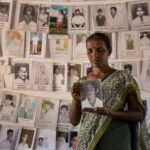
– **Photography**: Powerful images capturing human rights violations or the lives of affected individuals can evoke empathy and spur action.
### 2. **Theatre and Performance**
– **Street Theatre**: Engaging performances in public spaces can dramatise human rights issues, reaching diverse audiences and prompting discussions.
– **Spoken Word and Poetry**: Using poetry slams or spoken word events to convey personal stories and human rights messages in an impactful way.
### 3. **Music and Songs**
– **Original Compositions**: Writing songs that address human rights themes can resonate emotionally and be shared widely through concerts and social media.
– **Music Festivals**: Organising events that feature artists who promote human rights messages, drawing large crowds and increasing awareness.
### 4. **Multimedia Campaigns**
– **Documentary Films**: Producing short films or documentaries that explore specific human rights issues, combining personal stories with factual information.
– **Podcasts**: Creating audio content that discusses human rights topics, featuring interviews with activists, experts, and affected individuals.
### 5. **Interactive Installations**
– **Immersive Experiences**: Designing interactive exhibits that allow participants to experience human rights issues firsthand, fostering deeper understanding.
– **Virtual Reality (VR)**: Utilising VR technology to simulate experiences related to human rights abuses, providing a powerful and immersive educational tool.
### 6. **Social Media Challenges**
– **Hashtag Campaigns**: Launching challenges that encourage users to share their own stories or messages about human rights using a specific hashtag.
– **Viral Videos**: Creating short, engaging videos that convey human rights messages in a humorous or impactful way to encourage sharing.
### 7. **Community Workshops**
– **Participatory Art Projects**: Involving community members in creating a collective art piece that reflects local human rights issues, fostering engagement and ownership.
– **Skill-Building Sessions**: Hosting workshops where participants can learn to express their views on human rights through various creative mediums.
### 8. **Fashion and Design**
– **Wearable Art**: Designing clothing or accessories that feature human rights messages, sparking conversations when worn in public.
– **Fashion Shows**: Organising events that showcase designers who focus on human rights themes, blending art and activism.
### 9. **Digital Storytelling**
– **Interactive Websites**: Creating platforms where users can explore stories, videos, and resources related to human rights issues.
– **Online Campaigns**: Utilising social media to share creative content, such as memes or infographics, that convey messages succinctly and engagingly.
### 10. **Public Demonstrations**
– **Flash Mobs**: Organising spontaneous performances in public spaces to draw attention to human rights issues in a fun and engaging way.
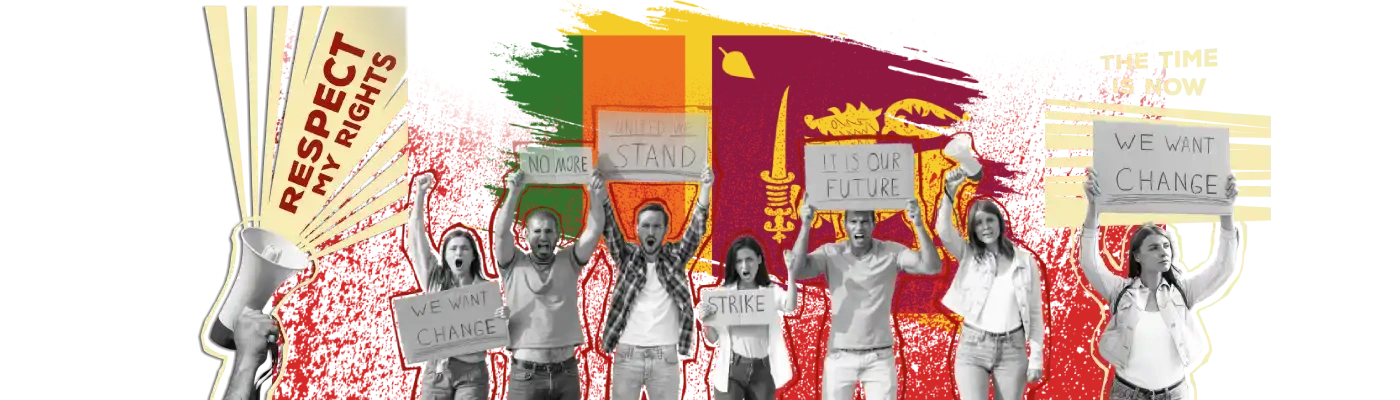
– **Silent Protests**: Using visual symbols, like wearing specific colours or holding signs, to convey messages quietly yet powerfully.
### Conclusion
These creative methods not only capture attention but also engage audiences on emotional and intellectual levels, fostering deeper connections to human rights issues. By employing various forms of artistic and interactive expression, grassroots movements can effectively convey their messages and inspire action.