
How do protests like the ‘Black Day’ contribute to international awareness of ethnic discrimination?
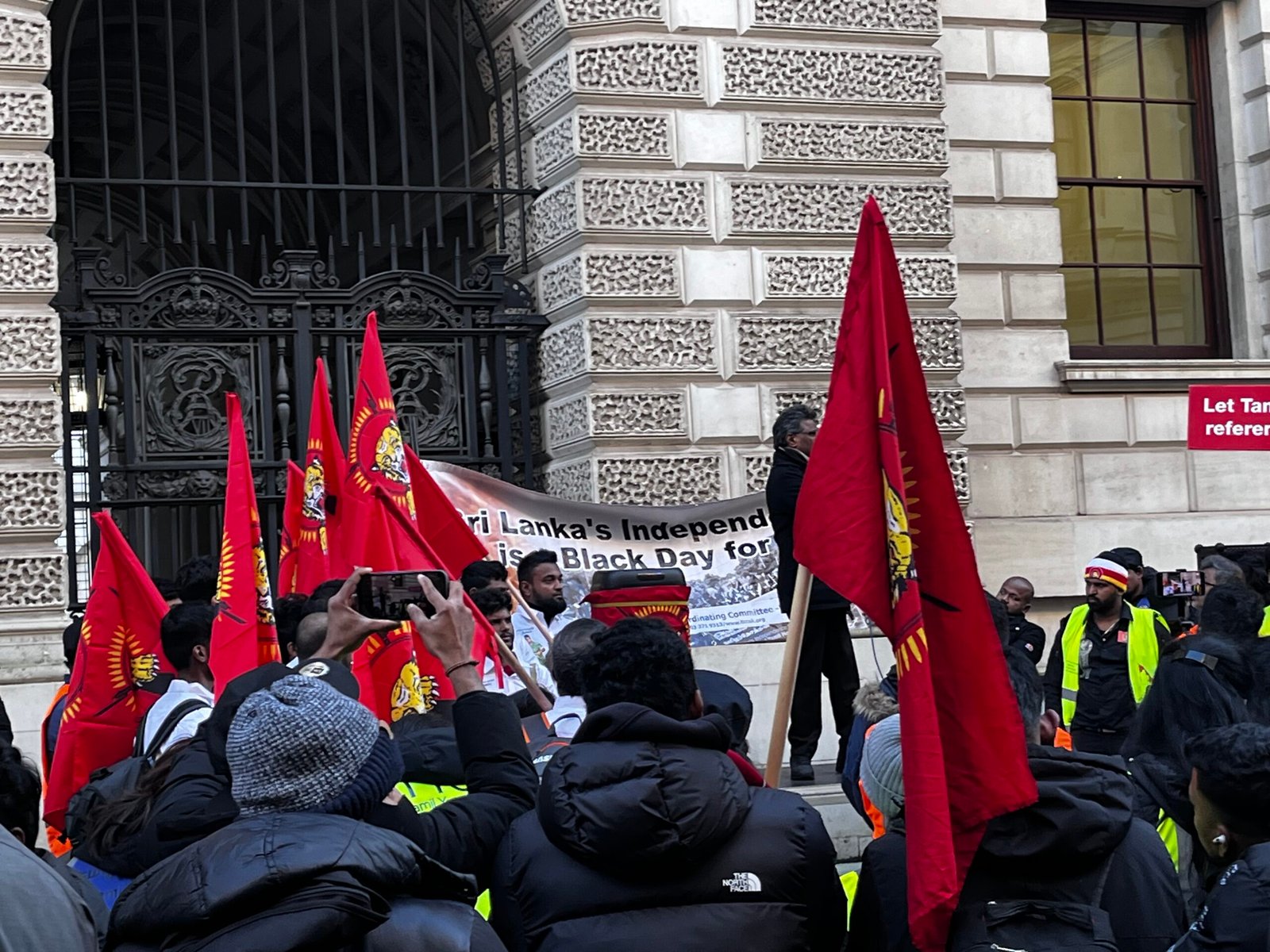
Protests like the ‘Black Day’ serve as crucial platforms for raising international awareness about ethnic discrimination. Here’s how they contribute to this important cause:
### 1. **Visibility and Media Coverage**
– **News Attention**: Such protests often attract media coverage, bringing local issues to a global audience. Images and stories from the protests can circulate widely, drawing attention to the plight of marginalised communities.
– **Social Media Amplification**: Participants frequently share their experiences and messages through social media, expanding reach and fostering global conversations around ethnic discrimination.
### 2. **Community Solidarity**
– **Building Networks**: Protests unite individuals from various backgrounds, fostering solidarity within the community. This unity can lead to more organised advocacy efforts and collaboration with other ethnic groups facing similar issues.
– **Support from Allies**: Engaging allies from different ethnic backgrounds can amplify the message and demonstrate broader societal support against discrimination.
### 3. **Education and Awareness**
– **Informative Campaigns**: Many protests include educational components, providing literature and speeches that explain the historical and contemporary context of the issues faced by the community.
– **Personal Stories**: Sharing personal narratives can humanise statistics and abstract concepts, making the issues more relatable and urgent to the audience.
### 4. **Pressure on Governments and Institutions**
– **Advocacy for Change**: Protests can serve as a direct call to action for policymakers, urging them to address systemic discrimination and consider reforms that promote equality and justice.
– **International Attention**: Heightened awareness can prompt international bodies, such as the United Nations, to investigate and address human rights violations in specific regions.
### 5. **Cultural Representation**
– **Cultural Expression**: Protests often incorporate cultural elements—songs, dances, and art—which can showcase the richness of the community’s heritage. This representation can challenge stereotypes and promote a deeper understanding of the culture being discriminated against.
– **Narrative Shift**: By reclaiming their narrative, marginalised communities can reshape public perception and highlight their contributions to society.
### 6. **Long-term Activism**
– **Sustained Engagement**: Protests can galvanise ongoing activism, leading to more organised efforts such as campaigns, petitions, and educational programs.
– **Youth Involvement**: Engaging younger generations in these protests cultivates a sense of responsibility and activism, ensuring that the fight against discrimination continues.
By contributing to these facets of advocacy, protests like the ‘Black Day’ play a vital role in fostering international awareness and prompting necessary conversations about ethnic discrimination and justice. If you want to delve deeper into any specific aspect, feel free to ask!