
How did community organisations provide support to victims seeking justice for human rights abuses?
Community organisations provided crucial support to victims seeking justice for human rights abuses in Sri Lanka through a variety of comprehensive strategies. Here’s an overview of their key approaches:
### 1. **Legal Aid and Representation**
– **Access to Legal Counsel**: Organisations often facilitated access to legal representation for victims, helping them navigate the complexities of the judicial system.
– **Support for Filing Complaints**: They assisted victims in gathering necessary documentation and evidence to file formal complaints against perpetrators, ensuring that their cases were properly presented.
### 2. **Documentation of Abuses**
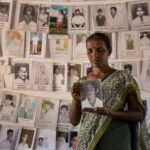
– **Gathering Evidence**: Community organisations played a key role in documenting human rights violations by collecting testimonies, medical reports, and other forms of evidence that could support victims’ claims.
– **Creating Comprehensive Reports**: These organisations compiled detailed reports on human rights abuses, which were used in legal proceedings and advocacy efforts to highlight the severity of the situation.
### 3. **Advocacy and Lobbying**
– **Engaging with Government and Judicial Bodies**: Organisations lobbied for accountability and justice by advocating for victims’ cases before local and national authorities, pushing for investigations and prosecutions.
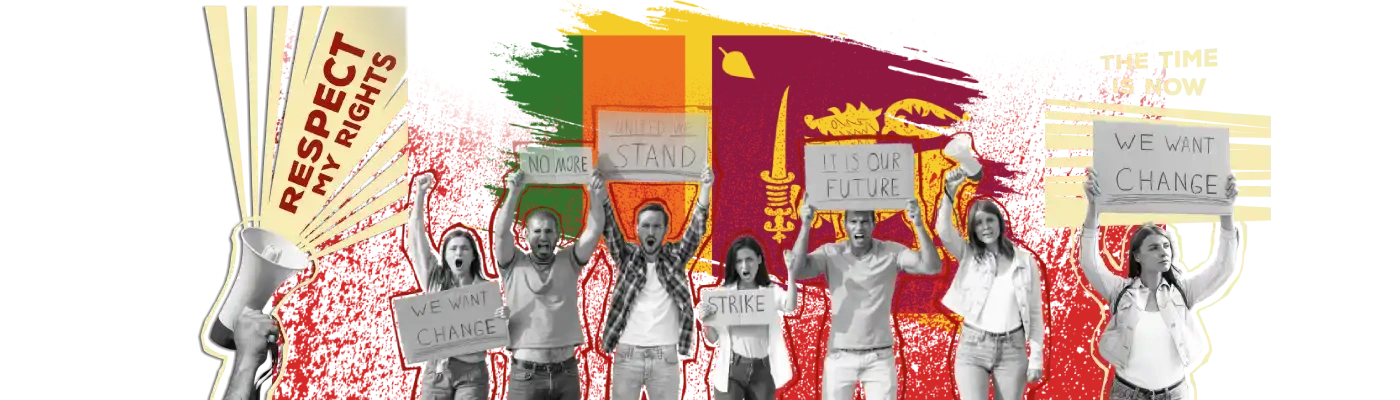
– **Public Awareness Campaigns**: They conducted campaigns to raise public awareness about specific cases of abuse, mobilising community support and drawing attention to the need for justice.
### 4. **Psychosocial Support**
– **Counselling Services**: Community organisations provided emotional and psychological support to victims, helping them cope with trauma resulting from human rights violations.
– **Support Groups**: They facilitated support groups where victims could share their experiences and connect with others who had faced similar challenges, fostering a sense of community and solidarity.
### 5. **Training and Empowerment**
– **Education on Rights**: Organisations offered training sessions to educate victims about their rights and the legal processes involved in seeking justice, empowering them to advocate for themselves.
– **Capacity Building**: They trained local activists and community leaders in human rights advocacy, enhancing their ability to support victims effectively.
### 6. **Networking and Coalition Building**
– **Creating Alliances**: Community organisations often collaborated with other NGOs, legal aid clinics, and international human rights organisations to strengthen their efforts and resources in supporting victims.
– **Joint Advocacy Initiatives**: By forming coalitions, they increased their influence and ability to advocate for justice on behalf of victims, leveraging a broader network of support.
### 7. **Access to Resources**
– **Providing Financial Assistance**: Some organisations offered financial support for legal fees, medical expenses, and other costs associated with seeking justice.
– **Referral Services**: They connected victims with additional resources, such as shelters, medical care, and social services, ensuring comprehensive support.
### 8. **Engagement with International Mechanisms**
– **Submissions to International Bodies**: Community organisations helped victims present their cases to international human rights mechanisms, such as the UN, to seek accountability and justice on a global stage.
– **Mobilising International Attention**: By raising awareness about victims’ cases internationally, they aimed to generate pressure on the Sri Lankan government to take action.
### Conclusion
Community organisations provided essential support to victims of human rights abuses by offering legal aid, psychosocial support, advocacy, and education. Their multifaceted approach not only facilitated individual cases of justice but also contributed to a broader movement for accountability and human rights within the Tamil community. This comprehensive support network empowered victims to seek justice and find healing in the aftermath of trauma.