
How did community organisations address the issue of human rights violations during the civil war in Sri Lanka?
Community organisations played a vital role in addressing human rights violations during the civil war in Sri Lanka, employing various strategies to document abuses, advocate for victims, and raise awareness. Here’s how they approached this critical issue:
### 1. **Documentation and Reporting**
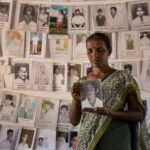
– **Collecting Testimonies**: Organisations gathered firsthand accounts from victims and witnesses of human rights abuses, documenting incidents of extrajudicial killings, disappearances, torture, and sexual violence.
– **Creating Reports**: They compiled comprehensive reports detailing the nature and extent of violations, which were shared with local, national, and international stakeholders to raise awareness and demand accountability.
### 2. **Advocacy and Awareness Raising**
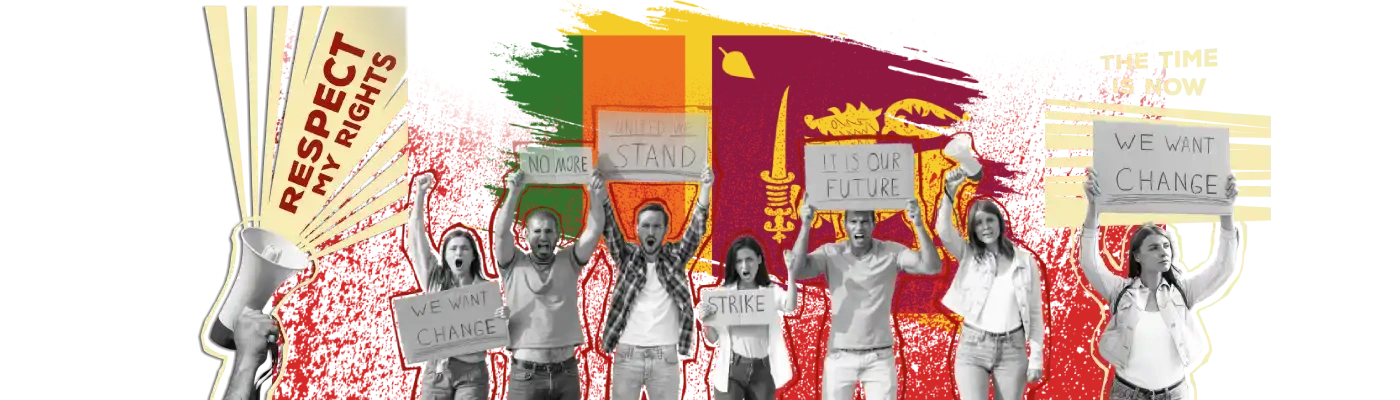
– **Local and International Advocacy**: Community organisations engaged in advocacy campaigns to bring attention to human rights violations, lobbying both the Sri Lankan government and international bodies like the United Nations to take action.
– **Media Engagement**: They utilized media platforms to disseminate information about abuses, ensuring that the plight of Tamils was visible to a global audience.
### 3. **Legal Support and Assistance**
– **Providing Legal Aid**: Many organisations offered legal assistance to victims seeking justice for human rights violations, including support in filing complaints and navigating the legal system.
– **Engagement with Judicial Processes**: They worked to ensure victims’ voices were heard in judicial proceedings, advocating for fair trials and accountability for perpetrators.
### 4. **Psychosocial Support**
– **Counselling Services**: Recognising the psychological impact of human rights violations, organisations provided counselling and psychosocial support to survivors, helping them cope with trauma.
– **Community Healing Initiatives**: They organised community-based programs aimed at healing and rebuilding trust within affected communities, fostering resilience and solidarity.
### 5. **Networking and Coalition Building**
– **Forming Alliances**: Community organisations often collaborated with other local and international human rights groups to amplify their efforts, share resources, and coordinate advocacy strategies.
– **Creating a Unified Voice**: By forming coalitions, they strengthened the Tamil community’s collective response to human rights violations, making it harder for authorities to ignore their demands.
### 6. **Engagement with International Bodies**
– **Submissions to Human Rights Mechanisms**: Organisations submitted reports and statements to international human rights mechanisms, including the UN Human Rights Council, to highlight abuses and call for investigations.
– **Mobilising Global Support**: They worked to engage the international community, seeking support from foreign governments and NGOs to pressure the Sri Lankan government to address human rights issues.
### 7. **Education and Training**
– **Raising Awareness on Rights**: Community organisations conducted workshops and training sessions to educate the Tamil population about their rights, empowering them to speak out against abuses.
– **Capacity Building**: They trained local activists and community leaders in advocacy and human rights documentation, enhancing their ability to respond to violations effectively.
### Conclusion
Community organisations were instrumental in addressing human rights violations during the civil war in Sri Lanka. Through documentation, advocacy, legal support, and psychosocial initiatives, they not only highlighted abuses but also worked toward justice and healing for victims. Their efforts played a crucial role in raising international awareness and fostering a collective response to the atrocities faced by the Tamil community.